Ethical Shot Selection: When to Shoot and When to Pass
Ethical shot selection guide — how to set your own maximum range, reading conditions that compromise shot quality, the cost of wounding vs passing, when to hold and when to commit, and building a shot decision framework that you can apply in any hunting scenario.
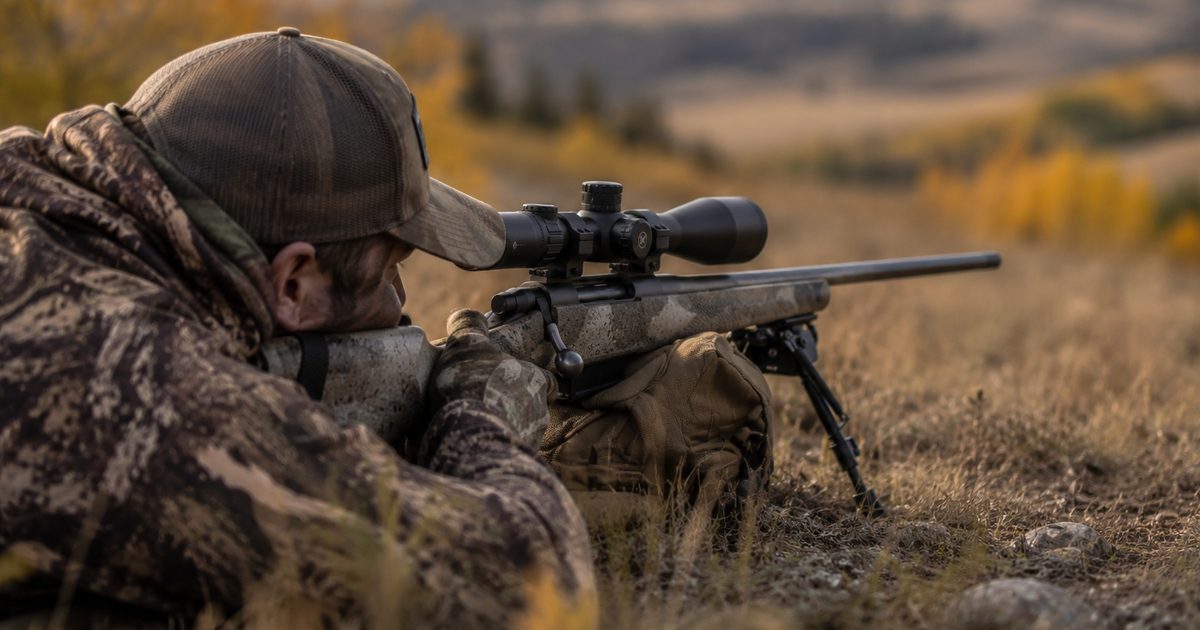
There is a moment every hunter knows: the animal is there, the window is open, and you have to decide. Your finger is near the trigger. Your brain is running fast math on distance, angle, wind, your own heartbeat. And somewhere in that rush, you have to answer an honest question — is this shot mine to take? Whether you’re a first-time hunter or a veteran, that question never gets easier to answer honestly.
That question doesn’t have a manufacturer’s answer. No ballistics table tells you when to shoot. What we’re building in this guide is a personal decision framework — one that accounts for real-world conditions, your actual skill level, and the full cost of getting it wrong.
Setting Your Real Maximum Range
The maximum effective range printed on ammo boxes or quoted in forums is not your maximum range. It describes what a bullet can do mechanically. It says nothing about what you can do with that bullet in the field.
Your real maximum range is defined by your worst acceptable group size at distance, shot under conditions that resemble what you’ll face in the field. That means: standing heart rate, not bench-rested calm. A solid-but-imperfect rest — a pack, a bipod on uneven ground, a tree limb. One shot, not a five-shot group average.
A common way to think about this: take your precision range maximum, subtract 20% for field conditions, then subtract another 20% for adrenaline and time pressure. On public land elk hunts especially, where shots can come fast and at unexpected angles, knowing that number cold before season is non-negotiable. A 500-yard range zero translates to roughly a 400-yard realistic field shot, and more honestly to a 300-yard ethical shot on a marginal rest with wind. That last number — the one with all the variables stacked — is where you should be drawing your line.
We recommend actually running this exercise before season. Go to a range with your hunting rifle. Set a 10-inch target (roughly the vital zone on a mature elk or mule deer). Make yourself stand, take three breaths, then shoot once with a pack for a rest. Note the distance where you can put every shot in that circle, every time, not on average. That number is your field maximum. Own it. For a detailed look at the specific zones to aim for once you’ve committed to a shot, see our shot placement guide for deer.
Warning
Your maximum range shrinks dramatically in real hunting conditions. Adrenaline, wind, an unsteady rest, a quartering animal, poor backstop — each one is a multiplier on your margin of error. Build your number honestly before you’re in the field.
The Conditions That Change Everything
Even if the distance is within your comfort zone, conditions can pull a shot outside the ethical window. Here’s what we watch for:
Wind. At 300 yards, a 15 mph crosswind moves most hunting cartridges 6–10 inches at impact. On a calm range day you zeroed for dead center — that’s now a marginal hit or a miss at the same range you’ve been confident shooting. If you can’t accurately read the wind, you can’t accurately call your real impact point.
The rest. There’s a meaningful difference between a rifle laid over a solid boulder and the same rifle balanced on a shooting stick you’re holding upright in one hand while kneeling in loose shale. Both might “feel” solid until the shot breaks. Know the difference.
Your physical state. If you’ve just climbed 2,000 vertical feet and your pulse is 160, your shooting window has narrowed significantly. Give yourself time to come down before evaluating the shot. We’ve seen hunters pass on shots at 150 yards because they were still breathing hard from the stalk — that’s smart, not soft.
The animal’s position. A broadside or slight quartering-away is the standard. Straight-on, straight-away, steep quartering-to, or a hard quartering-away angle with a near-side shoulder in the way all require either a different shot or a different shot selection entirely. The vitals are still the target — but the path to reach them changes, and the margin for error does too.
Cover behind the animal. A clear backstop matters both for safety and for how you’ll recover a hit animal. A mule deer standing on a cliff edge with a 200-foot drop behind it creates a real problem even if your shot is perfect.
Pro Tip
Before you squeeze, run through a quick five-point mental checklist: distance confirmed, wind called, rest quality, animal position, backstop. If you can’t answer all five cleanly, that’s your signal to hold.
Reading Animal Behavior Before You Shoot
A calm, stationary animal in a predictable posture is a very different shot than an alert animal that’s about to move. We’ve seen hunters rush shots on spooked animals and regret it. The pressure of “it’s now or never” produces some of the worst shot decisions in hunting.
Watch for these signals before you commit:
Head down feeding is as good as it gets. The animal is relaxed, stationary, and the body position is typically broadside or quartering-away.
Standing alert but stationary is a marginal window. You may have 5–10 seconds before a move, but a sudden jump at shot break is common. Factor that into your hold.
Head up scanning, weight shifting — the animal is about to go. This is where hunters rush. Don’t. A running shot at an uncertain distance with adrenaline spiked is how you wound animals. If it blows out, let it go and wait for the next opportunity.
Moving at a walk through an opening — some hunters can execute this cleanly at modest ranges. Know whether you’re one of them before you’re in that moment.
When You Should Pass
Passing on a shot is not failure. It is the correct decision when conditions remove the reasonable expectation of a clean, lethal hit. Here are the specific scenarios where we pass, every time:
- Distance is beyond your honest field maximum
- Wind is variable, gusting, or unreadable
- Rest is poor with no time to improve it
- The animal is alert and weight is shifting
- Shot angle requires threading a path through heavy bone or shoulder mass
- You cannot confirm a clean backstop
- Visibility is low (heavy brush, fading light) and you aren’t certain of the full body position
The critical mental shift is this: passing doesn’t cost you the hunt. It costs you that moment. Those are different things. Another opportunity exists tomorrow, next week, next season. A wounded animal that runs into the dark costs far more — to the animal, to you, and to the broader credibility of hunting as an ethical practice.
The Decision Framework
We think of shot selection as a simple three-gate system. All three gates have to be open before we shoot.
Gate 1 — Range and Conditions: Is this distance within my honest field maximum, given current wind and rest quality?
Gate 2 — Animal Position: Is the shot angle presenting a clean path to the vitals with a reasonable margin for slight error?
Gate 3 — Outcome Confidence: If I execute this shot exactly as planned, am I highly confident in a quick, clean kill?
If any gate is closed, we don’t shoot. Not “probably won’t shoot.” Don’t shoot.
The value of a pre-built framework is that it removes in-the-moment negotiation with yourself. Without a framework, the brain looks for reasons to pull the trigger because that’s what you came here to do. With a framework, you’re not deciding whether to shoot — you’re checking whether conditions meet the standard you already set.
Important
Build your shot decision framework in the off-season when nothing is at stake. Write down your real maximum range, your wind threshold, your acceptable shot angles. Review it before the season starts. Hunters who decide these standards in advance make better decisions under pressure than those who try to figure it out in the moment.
What Happens When You Wound an Animal
It’s worth being direct about this because it’s the thing most hunters don’t want to think about until it happens. Wounding an animal that escapes is not a statistical abstraction — it is a real animal suffering, and in most cases, dying slowly and alone over hours or days. The deer scouting guide covers how proper pre-season scouting puts you in positions where the shot angle and distance are already on your terms — reducing the pressure that leads to rushed decisions.
The costs are concrete: to the animal, obvious. To you, the experience of tracking blood for two hours in the dark and then losing the trail is one that hunters carry for years. To the broader hunting community, high-profile wound rates fuel legitimate criticism of the sport and provide ammunition to those who would end hunting entirely.
None of this means you’ll never wound an animal. Shot placement is not perfect science, animals move at shot break, and bad luck exists. But the rate at which hunters wound and lose animals is meaningfully influenced by shot selection. Hunters who take marginal shots wound more animals. The data on this is not subtle.
Passing on a bad shot is not cautious — it is the most effective tool we have against the outcome everyone wants to avoid.
Being at Peace With the Pass
The hardest part of ethical shot selection isn’t the framework — it’s the emotional reality of watching an animal walk away when you had it in your scope. That feeling is real and it doesn’t go away entirely, no matter how long you’ve been hunting.
What changes with experience is the way you interpret it. Early in a hunting career, passing feels like failure. With time, it starts to feel like discipline — evidence that you’re hunting with standards that matter to you. The hunters we respect most are not the ones with the longest shot stories. They’re the ones who can say, without defensiveness, “I passed because the conditions weren’t right.”
That’s a hunter who’s made peace with the fact that getting the animal is not the only thing. How you get it — or don’t — is also part of who you are in the field.
Bottom Line
Ethical shot selection comes down to a single commitment made in advance: you will only shoot when all conditions meet a standard you’ve honestly set, and you will pass when they don’t. Setting your real field maximum, reading conditions without optimism, using a pre-built shot placement decision framework, and understanding the full cost of wounding — these are the tools that make the commitment real.
The shot you pass on with the wrong conditions might be the hardest thing you do in a season. It’s also often the right one. Physical preparation also plays into shot quality — a hunter who’s winded from a hard approach shoots differently than one who’s in control of their breathing.
Frequently Asked Questions
How do I figure out my actual maximum ethical range?
Start at a range with your hunting rifle and a 10-inch target, which approximates the vital zone on most big game. Use the same rest setup you’d realistically use in the field — a pack, bipod on slightly uneven ground, or shooting sticks. Shoot one shot at a time after three breaths, not groups from a bench. The distance where you can confidently put every shot in that circle, every single time, is your baseline. Then subtract 15–20% for adrenaline and real-world conditions. That final number is the range you can defend ethically.
Is it okay to shoot at a moving animal?
At modest ranges and a slow walking pace, experienced hunters can execute clean shots on moving animals — but it requires practice specifically at moving targets, which most hunters don’t have. If you haven’t trained on moving targets, the honest answer is no. A running or trotting animal at unknown distance with adrenaline elevated is a recipe for a wounding shot. Pass and wait for the animal to stop, or let it go entirely.
What should I do if I think I hit an animal poorly?
Mark the exact spot where the animal was standing when you shot. Note the direction of travel. Wait at least 30–45 minutes before following — longer for a suspected gut shot. Look for blood, hair, and bone fragments at the hit site to assess shot placement. If blood is scarce or absent after 200 yards, resist the urge to push the trail immediately; give the animal time. Enlist help if available. If you lose the trail, return at first light. Do everything in your power to recover the animal — that responsibility doesn’t end when the tracking gets hard.
Does hunting pressure affect how strictly I should apply shot selection rules?
Yes. In high-pressure situations where the season is nearly over, tag is expiring, or you’ve gone multiple days without seeing an animal, the temptation to stretch your standards is real. That pressure is exactly when the framework matters most. The criteria don’t change based on how badly you want to fill a tag — they’re fixed by what constitutes a clean kill. A marginal shot taken under pressure still has the same odds of wounding as it did on day one.
Next Step
Check Draw Odds for Your State
Tag-level draw odds across 9 western states — filter by species, unit, weapon, and points. Free to use.
Get the Insider Edge
Join hunters getting exclusive draw odds data, gear deals, and weekly hunt planning tips.
Related Articles

Arizona Elk Calling: September Archery
September archery elk in Arizona means calling. Here's the practical guide to bugles, cow calls, and the timing that produces bulls.
Arizona Hound Hunting Regulations Guide
Arizona hound hunting for bear and lion requires specific permits and tags. Here's the complete regulatory guide for 2026.

Arizona Shed Hunting: Rules & Season Guide
Arizona has specific rules on shed antler collecting. Here's the complete guide to the season, the ethics, and the most productive areas.
No comments yet. Be the first to share your experience!