Ethical Shot Placement: How to Avoid Wounding Big Game
A deep dive into shot placement ethics, anatomy, and the decisions that separate clean kills from wounding losses — with real data on wounding rates and what causes them.
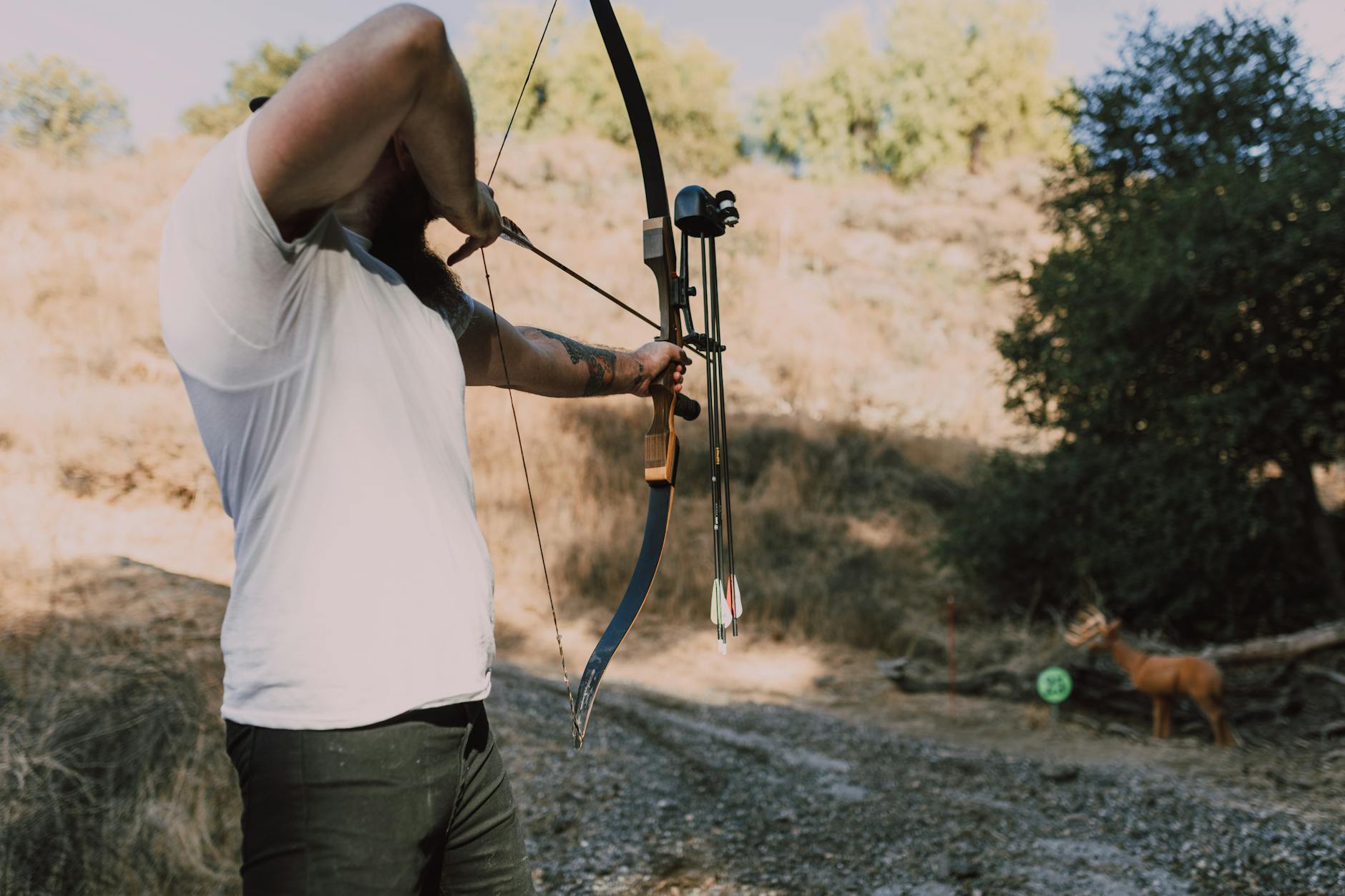
Studies on big game wounding rates are uncomfortable reading for hunters who want to think well of the sport. Archery deer wounding rates — the percentage of hit animals that are not recovered — run between 15 and 23 percent in most credible research. Rifle wounding rates are lower but still meaningful: 3–8 percent of hit deer are not recovered. For elk, the numbers are similar or higher, partly because of the animal’s size and the often-difficult terrain.
These aren’t hunting opponents’ statistics. They’re data from wildlife agencies and hunter research groups — and most wounding traces to three causes: too much distance, wrong shot angle, and shooting while emotionally elevated. All three are preventable.
This article contains affiliate links. We may earn a small commission if you purchase through these links, at no extra cost to you.
The Anatomy of a Clean Kill
A double-lung hit on any big game species produces rapid, humane death — typically within 5–15 seconds of impact, and almost always within 100 yards of impact. The lungs occupy roughly 60–70% of the chest cavity volume. They bleed rapidly when perforated, cause immediate catastrophic blood pressure loss, and leave a heavy blood trail.
A heart shot produces death almost as rapidly but requires more precise aiming — the heart is roughly one-third the size of the lung zone and sits lower in the chest. On quartering animals, the aiming compensation for a heart shot is different from a lung shot, and getting it right matters.
Everything else — liver, stomach, gut, spine, shoulder — produces poor results. Liver hits kill but slowly (hours, sometimes more than 12 hours before the animal beds and dies). Gut hits are even slower and more uncertain. Spine hits sometimes drop animals immediately but often result in a hit that temporarily paralyzes followed by recovery and loss of the animal. Shoulder hits often deflect bullets or stop arrows without reaching vitals.
Important
Why Distance Matters More Than Hunters Admit
The argument that a 400-yard rifle shot is equivalent to a 50-yard shot because “I can hold that group at the range” is one of the most dangerous illusions in hunting. At the range:
- The target is standing still
- You’re not breathing hard from a half-mile stalk
- Your heart rate is 70 beats per minute, not 140
- The wind is light or known
- You’re shooting from a bench with full support
In the field, every one of those factors is different, often simultaneously. The hunter who shoots 0.75 MOA from the bench at 400 yards may be shooting 2 MOA in the field under hunting conditions — and 2 MOA at 400 yards is an 8-inch group. That’s a 50/50 chance of hitting outside the elk’s vital zone.
A quality rangefinder eliminates distance guessing and improves shot confidence. Set your ethical maximum distance based on your realistic field accuracy, not your bench accuracy. Most hunters who are honest about this end up 50–100 yards shorter than they thought.
Shot Angles That Produce Wounding
High shoulder: Intentional high-shoulder shots — aimed at breaking the shoulder to anchor the animal — are popular in some circles but create marginal hits when imprecise. A few inches low on a “high shoulder” shot catches the spine and results in temporary paralysis followed by loss of the animal. A few inches to the side catches only meat and muscle. This shot requires extreme precision and offers poor margin.
Steeply quartering-toward (heavy angle): On a quartering-toward animal beyond about 20 degrees, the near shoulder blocks direct access to the far lung. Rifle hunters with powerful cartridges can sometimes break through — but the energy expenditure in breaking shoulder bone means the bullet reaches the lung in poor condition. Bowhunters have essentially no chance of getting through.
Long-range frontal shots: Head-on shots require threading the needle between the legs and hitting the chest precisely on center. Margin for error is measured in inches. Any slight lateral offset hits brisket or shoulder with no vitals access.
The Adrenaline Problem
Every hunter who has let an elk walk at 280 yards because the angle wasn’t quite right knows how hard that decision is in the moment. And every hunter who has taken a bad-angle shot under pressure and spent 14 hours tracking in the dark knows the other cost.
The discipline to hold off on poor-angle shots comes from pre-commitment — deciding before you’re in the situation what you will and won’t shoot. Use the Shot Placement Guide to build your knowledge and your mental checklist so that in the moment, you’re executing a plan rather than making a panicked decision.
After the Shot
Even perfect double-lung hits benefit from patience. Wait at least 30 minutes before tracking — often longer in thick timber where bumping a hit animal can cost you the recovery. If the hit was marginal or uncertain, wait longer. A liver-hit animal that beds will die in place if left undisturbed. The same animal pushed immediately may travel miles.
Mark where the animal was standing when hit. Mark where you last saw it. A blood tracking light is invaluable for following trails in low-light conditions. Walk to the hit site before tracking — blood sign, hair, and bone fragments at the impact point tell you a great deal about where the bullet or arrow went. Read the sign before committing to a track direction.
Clean kills are the goal. The decisions that produce them start long before the shot.
Next Step
Check Draw Odds for Your State
Tag-level draw odds across 9 western states — filter by species, unit, weapon, and points. Free to use.
Get the Insider Edge
Join hunters getting exclusive draw odds data, gear deals, and weekly hunt planning tips.
Related Articles

Arizona Elk Calling: September Archery
September archery elk in Arizona means calling. Here's the practical guide to bugles, cow calls, and the timing that produces bulls.
Arizona Hound Hunting Regulations Guide
Arizona hound hunting for bear and lion requires specific permits and tags. Here's the complete regulatory guide for 2026.

Arizona Shed Hunting: Rules & Season Guide
Arizona has specific rules on shed antler collecting. Here's the complete guide to the season, the ethics, and the most productive areas.
No comments yet. Be the first to share your experience!