How Much Meat Does an Elk Yield? Numbers Hunters Get Wrong
Real elk meat yield data by sex and age — what a bull, cow, and spike actually produce in boneless pounds, and why most hunters overestimate by 30%.
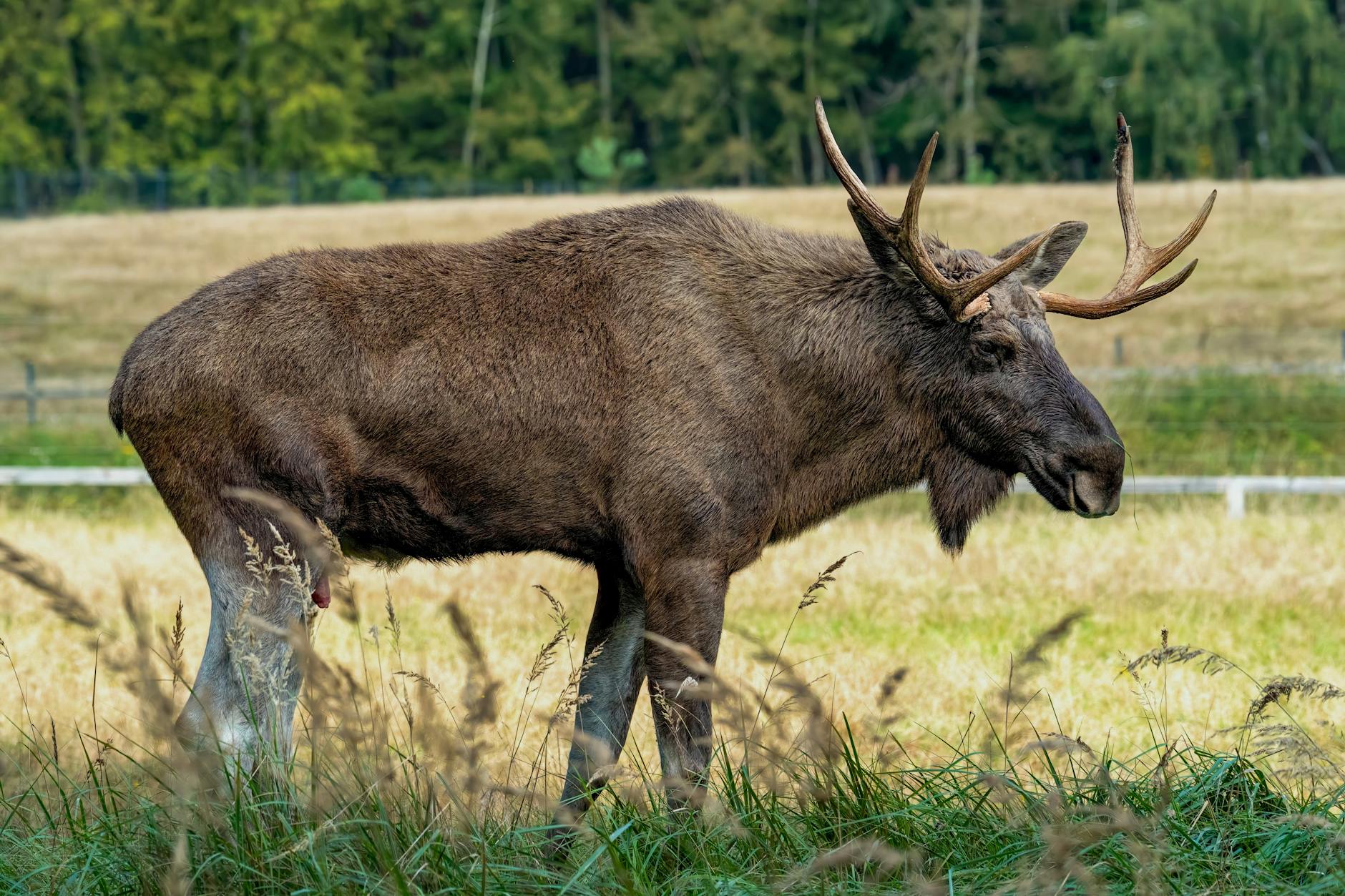
Ask ten hunters how much meat a bull elk yields and you’ll get ten different answers — most of them wrong. The high-end guesses run to 400 pounds. The low-end run to 150. Neither is right, and that spread isn’t just trivia. It affects how you plan your pack-out, how many bags you bring, how many trips you budget, and whether your meat makes it out in good condition or sits in the sun too long while you scramble.
This article contains affiliate links. We may earn a small commission if you purchase through these links, at no extra cost to you.
Here’s the actual data — and why so many hunters get it wrong.
The Starting Point: Live Weight vs. Field-Dressed Weight
A mature 6x6 Rocky Mountain bull elk averages 650–750 pounds on the hoof in September rut. Rocky Mountain elk are not as large as many hunters picture — the 1,000-pound bull elk is largely myth outside of managed game herds and the occasional exceptional Roosevelt elk in the Pacific Northwest.
Field-dressed weight — organs removed, hide on — runs roughly 60–65% of live weight. So that 700-pound bull field-dresses to approximately 420–455 pounds. That’s the number you’re working with on the mountain before you start boning.
From field-dressed weight, boneless processing removes the hide (roughly 30–40 lbs on a mature bull), skull (25–35 lbs), lower legs (8–12 lbs), and the connective tissue, fat, and silverskin that gets trimmed during boning. A clean, aggressive boning job on a field-dressed 440-pound bull elk typically yields 200–225 pounds of packable, boneless meat.
Important
Where the Overestimates Come From
Most hunters who claim 300+ pound yields on elk are either weighing bone-in quarters, counting gut weight before field dressing, or — most commonly — just repeating what someone told them around a campfire. The 300-pound number is bone-in quarters on a very large bull. It’s not boneless, packable meat.
The confusion also comes from scale. A pile of boned-out elk meat looks enormous. Eight to ten vacuum bags plus organ meat (heart and liver) spread across a tarp genuinely looks like more than it is — which is a good problem to have. But 200 pounds feels different on your back than it looks on the ground.
Yield by Category
These are real-world averages based on field data from Colorado, Montana, Wyoming, and Idaho elk hunts:
Rocky Mountain Bull (mature, 650–750 lbs live)
- Field-dressed: 400–480 lbs
- Boneless packable meat: 195–230 lbs
- Bone-in quarters: 260–310 lbs
Rocky Mountain Cow (mature, 400–500 lbs live)
- Field-dressed: 250–320 lbs
- Boneless packable meat: 115–145 lbs
- Bone-in quarters: 160–200 lbs
Spike bull / yearling (250–350 lbs live)
- Field-dressed: 160–220 lbs
- Boneless packable meat: 75–105 lbs
- Bone-in quarters: 110–145 lbs
Roosevelt elk bull (mature, 700–900 lbs live)
- Field-dressed: 440–580 lbs
- Boneless packable meat: 215–270 lbs
The Cuts That Add Up — And the Ones Hunters Leave Behind
The major cuts — hindquarters (two), front shoulders (two), backstraps (two), and tenderloins (two) — account for roughly 70% of total yield. The remaining 30% comes from neck meat, rib meat, and trim that most hunters either skip entirely or do poorly on.
Neck meat on a mature bull elk is substantial — 25-35 pounds of excellent stew meat and grind that many hunters leave attached to the spine. A sharp boning knife with replaceable blades makes recovering this meat significantly easier. Rib meat requires effort with a boning knife but adds another 15–20 pounds. Hunters who skip these cuts and only bag the “easy” pieces are leaving 40–50 pounds on the mountain.
How Processing Method Changes Your Yield
Commercial processing — hauling quarters to a butcher — typically yields 10–15% less boneless meat than DIY processing because commercial operations trim more conservatively for food safety and presentation. If you take bone-in quarters to a processor and get 165 pounds back, that’s normal. It’s not an error.
Home processing gives you full control. You decide how aggressively to trim fat (elk fat is generally mild but older bulls can have strong tallow), whether to save organ meat, and how to handle the grind mix. Many elk hunters run a 90/10 burger blend using elk trim and pork fat with a quality meat grinder — it freezes well and uses cuts that would otherwise be marginal.
Planning Your Pack Around Real Numbers
Use the Meat Yield Calculator to plug in your specific animal and situation — the tool accounts for species, sex, estimated body weight, and processing method to give you a realistic yield range. Then plan your bags, trips, and cooler space accordingly.
A solo hunter packing out a mature bull in true backcountry should budget for four to five meat trips at 50–60 pounds per load, plus a trip for the antlers, cape, and camp gear. That’s not a one-day job in most units. Build that into your hunt plan.
The hunters who execute the best pack-outs aren’t necessarily the strongest — they’re the ones who planned for the real numbers instead of the campfire version. Know your yield before you pull the trigger, and your pack-out becomes a logistics problem you’ve already solved. The Meat Yield Calculator makes that math fast and accurate.
Plan Your Hunt
Ready to Apply? Check the Draw Odds
Once you have the gear sorted, use the Draw Odds Engine to find the right tag — free, no account needed.
Get the Insider Edge
Join hunters getting exclusive draw odds data, gear deals, and weekly hunt planning tips.
Related Articles

Rifle Zero and Field Ballistics: What Hunters Actually Need to Know
Hunting rifle ballistics guide — how to zero a hunting rifle for practical field distances, the 200-yard zero vs 100-yard zero debate, point-blank range concept, holdover at distance, and why most hunters are closer to game than they think.

Hunting Camouflage: What Actually Matters and What's Marketing
Hunting camouflage guide — how deer, elk, and turkey vision works, what camouflage actually needs to do, pattern selection by terrain and season, UV brightener issues, and why movement matters more than any pattern.

How to Use Hunting Binoculars: Glassing Technique and Field Habits
Hunting binocular technique guide — how to glass systematically rather than randomly, focus discipline, tripod adapter use for extended glassing, harness systems, and the field habits that separate hunters who find game from hunters who don't.
No comments yet. Be the first to share your experience!