How to Scout an Elk Hunting Unit Without Leaving Home
Master digital elk unit scouting with OnX Hunt, Google Earth Pro, topo maps, vegetation analysis, water sources, and know exactly where to put boots on ground after the draw.

Drawing an elk tag is only half the battle. The hunters who consistently fill tags have usually put in 30 to 50 hours of digital scouting before they ever set foot in the unit. We’ve seen hunters show up opening week with fresh boots and zero intel — and we’ve seen tag holders who walked into a specific basin on day one and had a bull down by midmorning. The difference is almost always the homework done at home.
This guide walks through every layer of digital scouting we use at ProHunt, from pulling up OnX Hunt on a desktop browser to cross-referencing historical satellite imagery on Google Earth Pro. Do this right and your boots-on-ground time becomes confirmation and fine-tuning, not a blind search from scratch.
Start with OnX Hunt Desktop Scouting
OnX Hunt’s desktop interface is significantly more powerful than the mobile app for this kind of deep-dive work. Pull it up on a large monitor and work through these layers systematically.
Public land boundaries and land ownership — This is the foundation. Filter for public land only and immediately eliminate everything private. Many units look huge on paper but are 60% private with a thin strip of BFS or USFS accessible at the top. Know exactly where you can legally hunt before you invest time in any other layer.
Road network and gate locations — Turn on the roads layer and trace every road into the unit. Note which are maintained Forest Service roads, which are two-track, and where gates cut off vehicle access. The distance from a trailhead to the nearest elk country often predicts pressure levels. Roads that require a high-clearance vehicle or a longer walk will consistently hold more elk by mid-season.
Trails and wilderness boundaries — Elk in heavily pressured units move toward wilderness or roadless areas fast once archery season opens. Identify wilderness boundaries and the trails that penetrate them. A bull that gets bumped off an accessible bench on day two will often travel three to five miles toward the wilderness edge by day four.
Water sources — Layer in springs, seeps, ponds, and creeks. In late summer, water is the single most predictable elk attractor. During September archery seasons, bulls hitting wallows near water in the early morning are some of the most callable elk you’ll encounter. Flag every water source in your target area and note which ones are in thermal cover versus open terrain.
Historical imagery — OnX lets you toggle between current and past satellite imagery. Use this to identify areas that have changed — old burns that have grown back, new road construction, areas that flood seasonally. Changes in terrain often create transition zones elk prefer.
Pro Tip
Use OnX’s measuring tool to calculate the actual distance from every trailhead to your target basins. A straight-line distance of two miles on the map can be four miles of trail with 1,800 feet of gain. That math eliminates competition on foot.
Google Earth Pro: The Free Tool Most Hunters Underuse
Google Earth Pro is completely free to download and it does one thing OnX doesn’t — it gives you historical imagery dating back to the early 2000s with the ability to scrub through time using a timeline slider. This is invaluable for elk scouting.
Finding old burns at the 10-15 year mark — A burn that is 10 to 15 years old is often in its elk productivity peak. The standing dead timber provides thermal cover, the ground level is thick with forbs, grasses, and shrubs, and the terrain is broken enough to hold elk without being impenetrable. Zoom into your unit in Google Earth, toggle historical imagery, and look for burn scars from roughly 2010 to 2015. Those areas deserve serious attention.
Identifying elk wallows from above — Bull elk wallows show up on high-resolution satellite imagery as small dark mud depressions surrounded by trampled, lighter-toned ground. They are usually within 100 to 200 yards of a water source or seep. Look for them in aspen groves, near springs on north-facing slopes, and along creek drainages between 8,000 and 10,500 feet. Once you find one from home, it becomes a high-priority ground-check target.
Game trails and travel corridors — In open terrain above treeline, elk trails show up clearly as faint brown lines cutting across saddles or traversing long ridges. Zoom to the 1,000-foot eye elevation in Google Earth and trace likely travel routes. Saddles between two drainages are textbook pinch points for both feeding and fleeing elk.
Aspen stand locations — Aspen groves are magnets during the rut. Bulls thrash aspen saplings, cows feed on aspen browse, and the groves provide the combination of cover and visibility elk prefer when moving between feeding and bedding areas. Map every significant aspen stand in your unit.
Reading Topo for Bedding and Feeding Structure
No tool replaces a solid understanding of topo. We layer CalTopo or Gaia GPS over OnX data to identify specific terrain features that consistently hold elk.
Benches below ridgelines — Elk bed on benches. Not the ridgeline itself — that exposes them to wind from multiple directions — but the flat or slightly tilted shelf 200 to 400 feet below the rim. These benches catch thermals from below in the morning, let bulls monitor approaches, and are close enough to ridgeline escape routes that any threat triggers an easy exit. Find every bench in your unit between 8,500 and 11,500 feet that sits below a north or northeast-facing slope.
Seeps and springs on topo — Wet areas show up on USGS topo as clusters of blue tick marks or as labeled springs. Cross-reference these with the satellite imagery. A hidden spring in a dark timber drainage that shows no maintained trail access is worth a mile hike to confirm. These spots often see zero pressure during the season.
Feeding terrain — South and southwest facing slopes with grass and forb cover are evening feeding areas. Find the large open parks and meadows adjacent to dark timber and north-facing bedding cover. The edge between these two zones — often called an ecotone — is where you’ll glass elk at last light.
Important
Call the district ranger office and ask to speak with the wildlife biologist for your unit. Ask specifically: “Where have you been seeing elk activity this summer?” and “Are there any new burns or habitat changes I should know about?” Biologists answer these calls — it’s part of their job, and you’ll often get intel that no map layer can provide.
Identifying Competition Before You Arrive
Hunter pressure is one of the most underrated variables in elk hunting success. Heavily pressured units produce nocturnal bulls by day three.
Parking and trailhead layers in OnX — The satellite imagery in OnX and Google Earth can sometimes show vehicle concentrations at trailheads near opening weekend when imagery was captured. More reliably, look at how many developed trailheads exist in your target area versus the total accessible acreage. One trailhead serving a 20,000-acre basin means less pressure than four trailheads into the same area.
Road density analysis — Count the miles of road per square mile in your target drainage. Units with high road density allow vehicle access to elk country, which concentrates pressure near roads. Units where the only access is a single trail into roadless terrain funnel a handful of serious hunters across a huge area.
Locating bugling hotspots — The best bugling locations are where feeding terrain and bedding terrain converge within one mile. A bull working cows doesn’t want to travel far between where he beds at midday and where the cows feed at dusk and dawn. Find the intersection of a large open park, a north-facing dark timber bench above it, and a water source nearby. That overlap is your primary calling setup location.
When to Put Boots on Ground
Digital scouting gets you to 70% certainty. The last 30% requires physical ground-truthing, and the timing matters.
July glassing trips — If you can get into the unit in July, bring a spotting scope and glass the high country in the evening. Elk are in predictable summer patterns and often visible at distance. Note exactly which drainages hold animals and mark elk specifically — not just terrain features.
Early September scouting — If your hunt opens mid-September, a scouting trip in the first week of September is valuable. Bulls are beginning to bugle and you can locate them by sound from high vantage points at dawn. This also lets you check your wallows and seeps for fresh sign and confirm which water sources are being used.
Warning
Avoid scouting your primary hunting basin within 10 days of your opener. Human scent and disturbance can push bulls into adjacent drainages. Scout the perimeter, glass from a distance, and leave the core area undisturbed until your hunt begins.
Confirming wallow activity — Your highest-priority ground check is any wallow you identified in digital scouting. Fresh mud, hair, and tracks confirm current use. A dry, crusted wallow is no longer active. Plan your ground-truth trips to hit three to five wallows per outing and prioritize the ones with the best thermal and approach conditions for your planned setup.
FAQ
How many hours of digital scouting should I do before an elk hunt?
We recommend a minimum of 20 to 30 hours for a new unit. This sounds like a lot but it breaks down naturally: 5 to 8 hours on OnX running through all the layers, 5 to 8 hours on Google Earth scrubbing historical imagery, 3 to 5 hours on topo analysis, and 3 to 5 hours of research including biologist calls, hunting forums, and unit-specific harvest reports. For a once-in-a-decade limited entry tag, double that investment.
Is OnX Hunt worth paying for just for the desktop scouting features?
Yes, especially for western big game. The combination of public land layers, water sources, roads, and historical imagery in a single platform is hard to replicate for free. That said, Google Earth Pro is free and handles the historical imagery component as well as or better than any paid tool. Use both — OnX for land ownership and real-time layers, Google Earth for deep historical analysis.
What’s the single most predictive terrain feature for locating September elk?
Wallows near water on north-facing slopes with dark timber bedding within 300 yards. A bull in the rut will work a wallow first thing in the morning and return to it throughout the day. Find the wallow, find the bedding cover above it, and set up between the two with the wind in your face. This setup produces more archery elk than any other configuration we’ve seen.
How do I research a unit I’ve never hunted and know nothing about?
Start with the state game and fish harvest report for your unit — this tells you success rates and the distribution of harvest by weapon type. Then pull the unit boundary into OnX and spend a full session on land ownership before anything else. Join the relevant state hunting forum (Arizona Big Game Super Raffle, Idaho SportsMen, etc.) and search for any posts mentioning your unit number. Finally, call the district biologist. Between harvest data, digital mapping, and a single 10-minute phone call, you can build a solid baseline for any unit in the West.
For draw odds research, use the ProHunt Draw Odds Engine to evaluate your unit before committing to it.
Next Step
Check Draw Odds for Your State
Tag-level draw odds across 9 western states — filter by species, unit, weapon, and points. Free to use.
Get the Insider Edge
Join hunters getting exclusive draw odds data, gear deals, and weekly hunt planning tips.
Related Articles
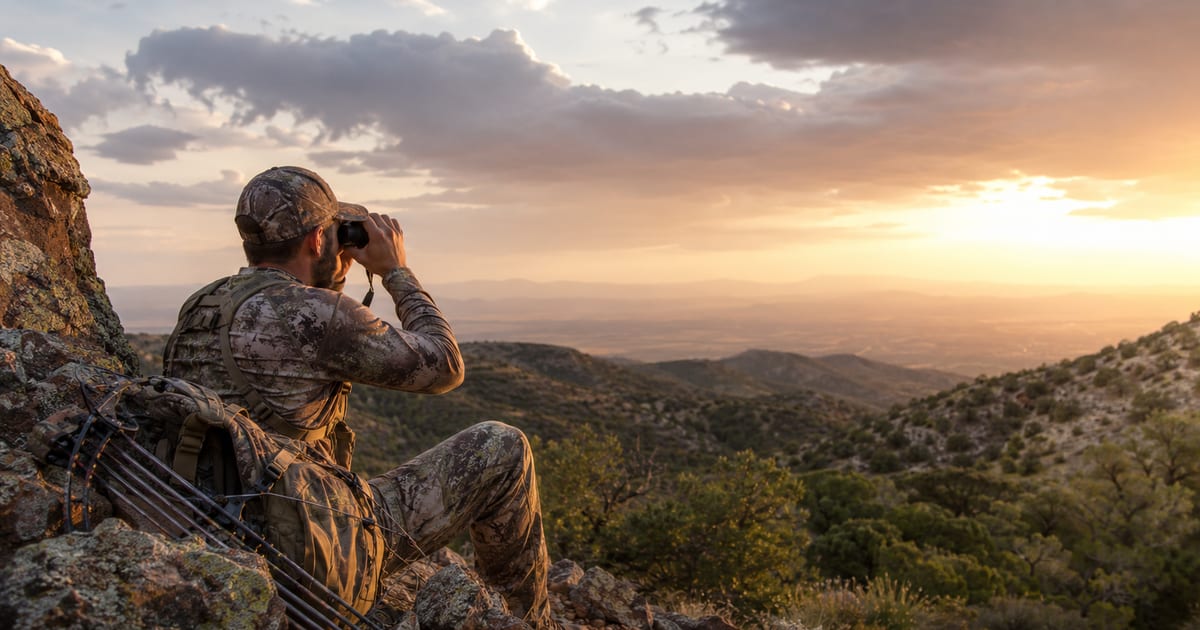
Arizona OTC Archery Deer 2026: Unit Limits and Closures
Arizona's OTC archery deer season opens August 21, 2026 — and units close the moment harvest limits fill. Here's every unit's limit, plus the best bets by real archery success rates.
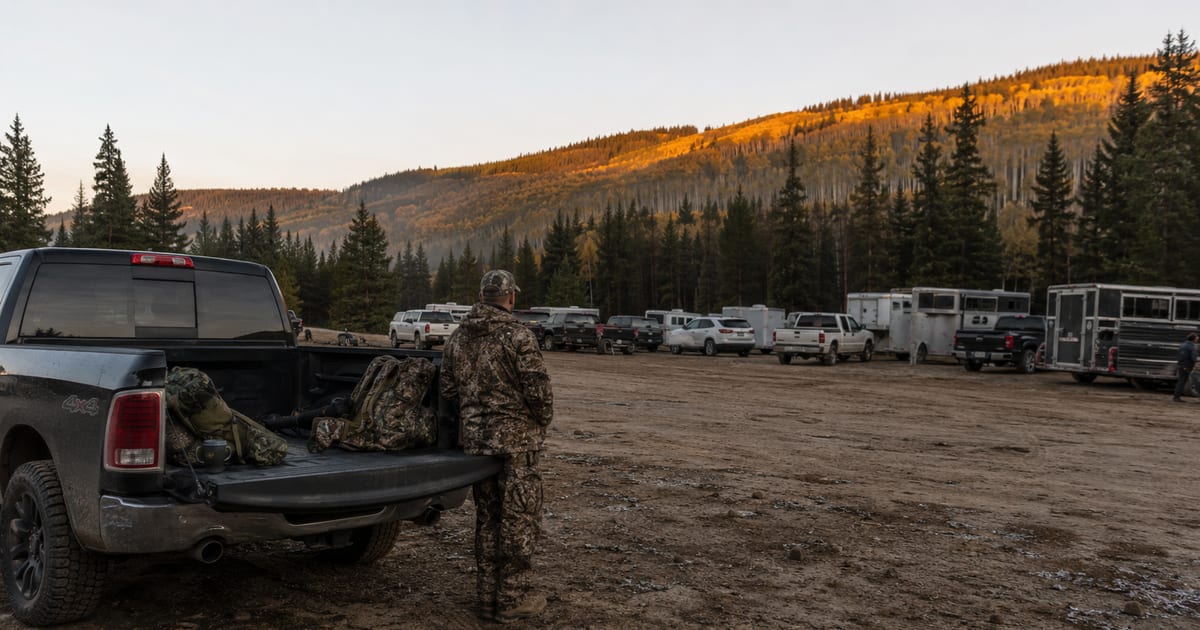
Colorado OTC Elk in 2026: What Changed for Nonresidents
Colorado eliminated unlimited nonresident OTC archery elk west of I-25 for 2026 — and Gunnison rifle tags went draw-only. Here's exactly what's still on the shelf and how to hunt this fall anyway.
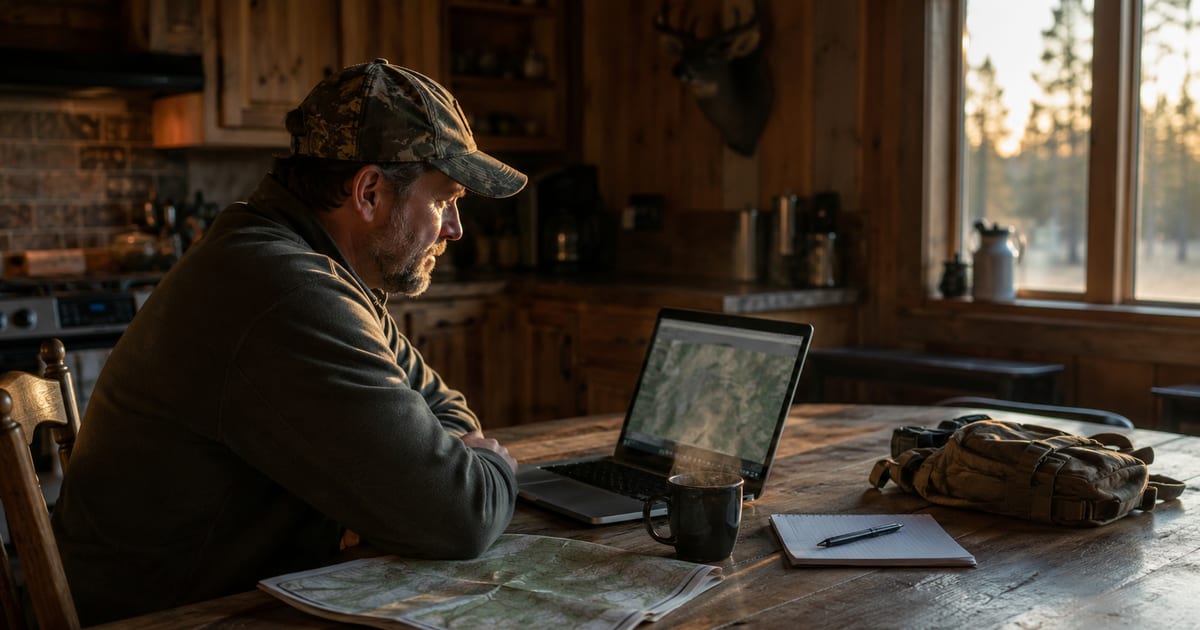
Colorado Reissue Licenses: How to Grab Returned Elk Tags
Every Wednesday through fall, CPW sells back surrendered limited licenses — including elk tags nonresidents can't get any other way in 2026. Here's the Tuesday-Wednesday ritual that actually lands one.
No comments yet. Be the first to share your experience!