DIY Western Hunt Budget: Self-Guided Hunt Under $3,000
A realistic, line-item budget for a DIY western elk or mule deer hunt — how experienced hunters keep costs reasonable without compromising preparation or safety.

The western elk hunt on a modest budget is absolutely possible — but only with specific, intentional decisions before and during the trip. Hunters who spend $5,000 on their first western elk hunt aren’t doing it wrong; they’re just not optimizing for cost. Hunters who spend $2,200 aren’t cutting corners on safety or preparation; they’re making deliberate choices on every expense category.
This article contains affiliate links. We may earn a small commission if you purchase through these links, at no extra cost to you.
Here’s how to build a real DIY western elk hunt for under $3,000 without sacrificing the experience.
The $2,500 Self-Guided Colorado OTC Elk Budget
This budget assumes: a hunter from the central US (1,000-1,500 mile round trip), 7 hunting days, tent camping, self-guided, OTC rifle elk tag in a Colorado national forest unit.
Licenses and tags:
- Colorado non-resident combination license + OTC elk tag: $707
- Conservation/habitat stamp (required): $34
- Total: $741
Travel:
- Round-trip fuel, 1,200 miles at $0.20/mile: $240
- One pre/post-hunt night in a motel: $90
- Total: $330
Camp and food:
- 7 days backcountry/car camp food at $25/day: $175
- Camp supplies (stove fuel, ice, misc): $40
- Total: $215
Gear (new purchases only, not existing):
- A realistic first western elk hunt requires some new gear investment — but assume hunter owns rifle, binoculars, boots, and sleeping system
- Meat bags (essential), new items: $80
- Ammo (40 rounds, premium hunting): $80
- Topo maps or onX subscription (annual): $30
- Total: $190
Meat processing:
- DIY boning and cooler transport home: $0 processing fee
- Dry ice for transport (2 bags): $20
- Total: $20
Miscellaneous:
- Campground fees (some sites): $50
- Unexpected expenses: $100
Grand total: ~$1,646
That’s the floor for a legit DIY elk hunt — achievable by a hunter with existing gear, driving from a mid-range distance, camping and processing their own meat.
The More Realistic $2,500 Version
Most first-time western hunters need some new gear, may want commercial processing, and don’t have the meat-packing infrastructure dialed:
Add to the above:
- New pack frame suitable for pack-out (no cutting corners here): $150-300
- Commercial processing (if you decide not to DIY): $250
- Additional gear (base layer, rain gear, gaiters): $100–200
- Additional total: $500–750
Realistic total: $2,150–2,400
That’s a fully equipped, well-planned DIY elk hunt for under $2,500. Leave room for incidentals and call it a $2,500 budget.
Important
Where Budget Hunters Spend Too Much
Unnecessary guided service: Some hunters hire guides for day 1 to “get into country” and then hunt independently. This rarely produces better results than a thorough scouting trip and wastes $300–500.
Buying too much food: Freeze-dried meals look expensive per meal ($12–15 each) but provide reliable caloric density. Trying to save money by bringing home-cooked food in containers adds weight and spoilage risk. The food budget is not where to cut.
Premium hotel the night before hunting: The $200 nice hotel the night before an OTC hunt provides the same sleep as a $80 motel. The experience of the hunt is in the mountains, not the pre-hunt lodging.
The Gear You Don’t Need to Buy for a First Western Hunt
Good news: you probably already own adequate gear. Hunters who deer hunt regularly own rifles, binoculars, warm layers, and rain gear that transfers directly to western elk hunting. What you specifically need that most deer hunters don’t have:
- Quality backcountry pack (if packing in)
- Proper meat bags (game bags) for the pack-out
- Topo maps of your specific unit
- Altitude-appropriate layering (it gets cold at 9,000 feet in September)
That’s a modest investment list. Use the Trip Budget Planner to build your specific budget with your actual numbers, and you may find the western elk hunt you’ve been putting off is more financially accessible than you assumed.
The experience is worth the investment. Plan it carefully, execute it deliberately, and come home with an elk tag punched.
Next Step
Check Draw Odds for Your State
Tag-level draw odds across 9 western states — filter by species, unit, weapon, and points. Free to use.
Get the Insider Edge
Join hunters getting exclusive draw odds data, gear deals, and weekly hunt planning tips.
Related Articles
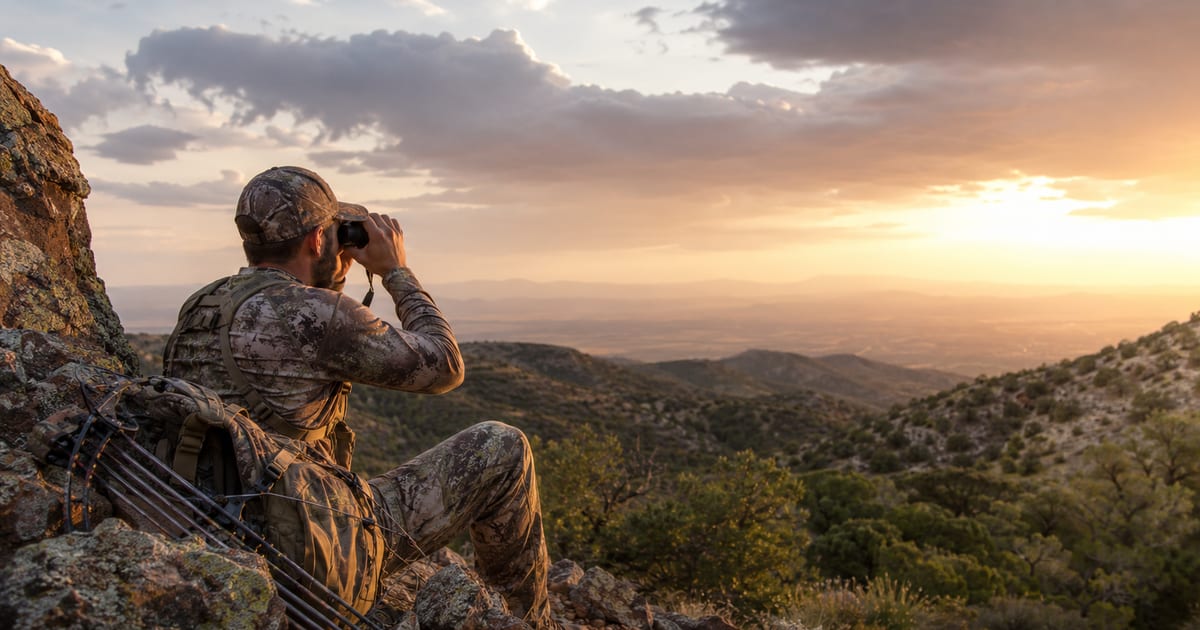
Arizona OTC Archery Deer 2026: Unit Limits and Closures
Arizona's OTC archery deer season opens August 21, 2026 — and units close the moment harvest limits fill. Here's every unit's limit, plus the best bets by real archery success rates.
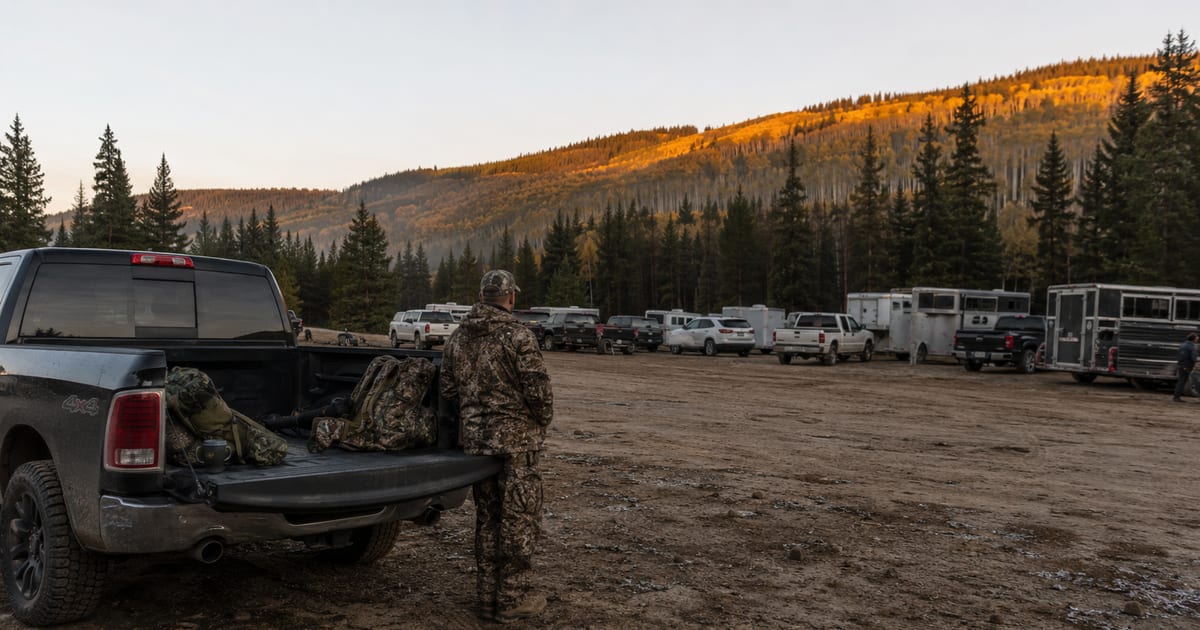
Colorado OTC Elk in 2026: What Changed for Nonresidents
Colorado eliminated unlimited nonresident OTC archery elk west of I-25 for 2026 — and Gunnison rifle tags went draw-only. Here's exactly what's still on the shelf and how to hunt this fall anyway.
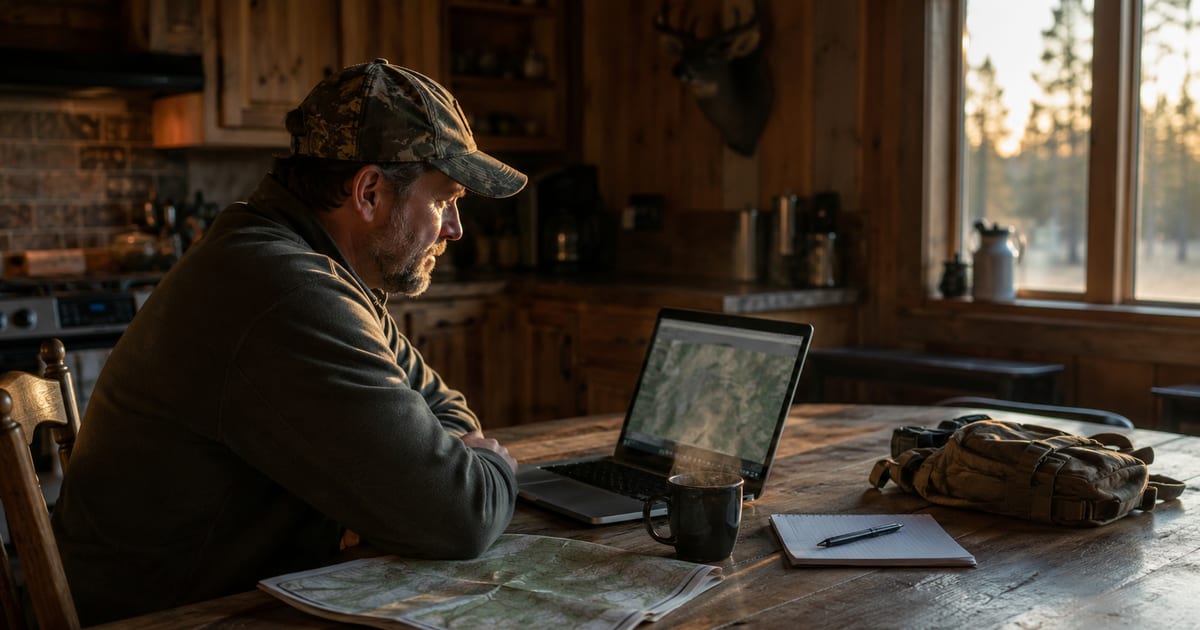
Colorado Reissue Licenses: How to Grab Returned Elk Tags
Every Wednesday through fall, CPW sells back surrendered limited licenses — including elk tags nonresidents can't get any other way in 2026. Here's the Tuesday-Wednesday ritual that actually lands one.
No comments yet. Be the first to share your experience!