Designing Your Bucket List Hunt: A Lifetime Hunt Framework
How to turn a bucket list hunting dream into an executable plan — choosing the right species and location, building the physical and financial foundation, and booking.
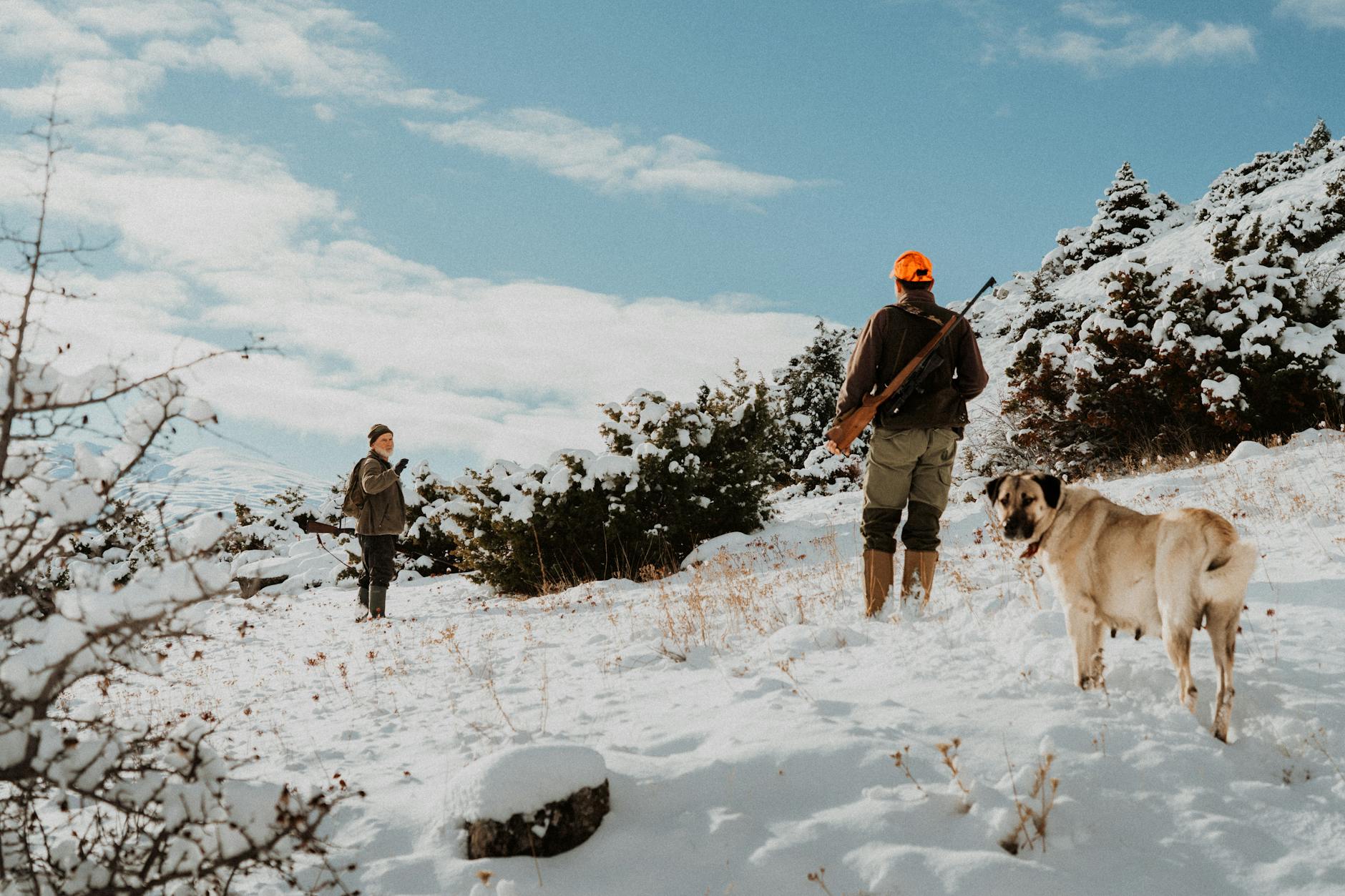
Every hunter has a hunt they’ve been “planning to do someday.” The Dall sheep hunt in Alaska. The desert bighorn in New Mexico. The solo archery elk hunt in the Frank Church Wilderness. The African plains game safari. Someday. When the kids are older. When things slow down at work. When there’s more money.
Someday, for most hunters, never comes — not because the hunt was impossible, but because no specific plan ever existed to make it real. Vague intentions remain vague. Specific plans, executed step by step, become hunting seasons that actually happen.
This article contains affiliate links. We may earn a small commission if you purchase through these links, at no extra cost to you.
Here’s a framework for converting bucket list ambition into a real hunt.
Step One: Define the Hunt Specifically
“Elk hunting in the Rocky Mountains” is not a hunt plan. It’s a category. A hunt plan has specific parameters:
- Species and sex: Bull elk, mature 6-point or better
- Method: Archery (bow)
- State and unit: Colorado Unit 15 or comparable wilderness unit
- Season timing: September archery, weeks 2–3 (peak rut)
- Hunt style: Self-guided backpack hunt, spike camp
- Party: Solo or with one partner
- Duration: 7 hunting days
These parameters determine every downstream planning decision: physical requirements, license application strategy, gear requirements, budget, and timeline.
Step Two: Inventory the Gap
Where are you now versus where you need to be to execute that hunt? The gap inventory covers four categories:
Point and draw gap: If the hunt requires a limited entry tag, how many preference points does it take and how many do you have? The Draw Odds Engine answers this precisely. A hunt requiring 8 preference points that you currently have 3 for has a 5-year gap at minimum.
Financial gap: What does the hunt cost fully funded? Use the Hunt Cost Calculator to build a complete budget. What’s your current annual hunting savings rate? The gap is the difference between your savings trajectory and the hunt cost, measured in time.
Physical gap: What physical demands does the hunt make, and what is your current fitness level? A 7-day backcountry elk hunt requires being able to hike 8–12 miles per day at elevation with a 35–50 pound pack. If you’re currently sedentary, that gap requires a serious training commitment.
Knowledge and experience gap: Have you hunted elk before? Have you hunted backcountry before? Have you hunted at altitude? Gaps in hunting-specific experience can be addressed through progressively more demanding hunts in the years leading up to the bucket list hunt.
Important
Step Three: Build the Milestones
Once you know the gaps, build specific annual milestones that close them:
Year 1:
- Apply for preference points in target state
- Establish hunting savings account with monthly contribution
- Begin physical training program specific to hunt demands
- Execute a “training hunt” — easier version of the target hunt to build experience
Year 2–3:
- Continue annual applications, build points
- Escalate training to target-hunt-level demands
- Execute a closer analog to the bucket list hunt (similar terrain, similar demands, similar species if possible)
- Begin gear acquisition for bucket list hunt gear list — start with a quality hunting pack and boots
Year of the hunt:
- Confirm draw odds and target application
- Execute pre-season scouting trip
- Peak training phase (hiking with loaded pack and trekking poles, altitude exposure if possible)
- Final gear verification and preparation
Milestones convert someday into a timeline with accountability checkpoints.
The “Training Hunt” Strategy
Many bucket list hunts demand skills and experience that can’t be acquired theoretically. The solution: deliberately plan progressively harder hunts in the years before the bucket list hunt.
Planning a solo archery elk backcountry hunt? Execute: a guided elk hunt first (learn elk behavior and calling), then a self-guided OTC elk hunt with a partner (learn the logistics and pack-out demands), then a solo 3-day spike camp hunt in similar terrain (validate self-sufficiency). By the time you execute the bucket list archery elk hunt, you’ve done every component of it separately.
This progression also builds honest self-knowledge. Maybe the solo archery elk hunt isn’t actually the right fit for you after doing similar hunts with partners. Maybe it’s even better than you imagined. Either way, you know going in — not mid-hunt.
Making It Official
The difference between bucket list hunts that stay on lists and bucket list hunts that happen is often a specific commitment: buying the plane ticket, applying for the tag, or booking the outfitter. These actions create accountability that vague planning never creates.
Use the Custom Hunt Package builder to generate a complete, specific plan for your bucket list hunt. Then find one specific action from the plan — an application deadline, a deposit payment, a gear purchase — and do it today. The hunt that starts with one real action becomes real. The hunt that stays in the planning stage stays on the list.
Make it specific. Make it real. The someday you’ve been waiting for is this coming season if you plan it now.
Next Step
Check Draw Odds for Your State
Tag-level draw odds across 9 western states — filter by species, unit, weapon, and points. Free to use.
Get the Insider Edge
Join hunters getting exclusive draw odds data, gear deals, and weekly hunt planning tips.
Related Articles
Arizona OTC Archery Deer 2026: Unit Limits and Closures
Arizona's OTC archery deer season opens August 21, 2026 — and units close the moment harvest limits fill. Here's every unit's limit, plus the best bets by real archery success rates.
Colorado OTC Elk in 2026: What Changed for Nonresidents
Colorado eliminated unlimited nonresident OTC archery elk west of I-25 for 2026 — and Gunnison rifle tags went draw-only. Here's exactly what's still on the shelf and how to hunt this fall anyway.
Colorado Reissue Licenses: How to Grab Returned Elk Tags
Every Wednesday through fall, CPW sells back surrendered limited licenses — including elk tags nonresidents can't get any other way in 2026. Here's the Tuesday-Wednesday ritual that actually lands one.
No comments yet. Be the first to share your experience!