Deer Rut Timing Explained: What Science Says About Bucks
The biology behind deer rut timing — photoperiod, latitude, temperature myths, moon phase debates, and the real windows that produce mature buck sightings.
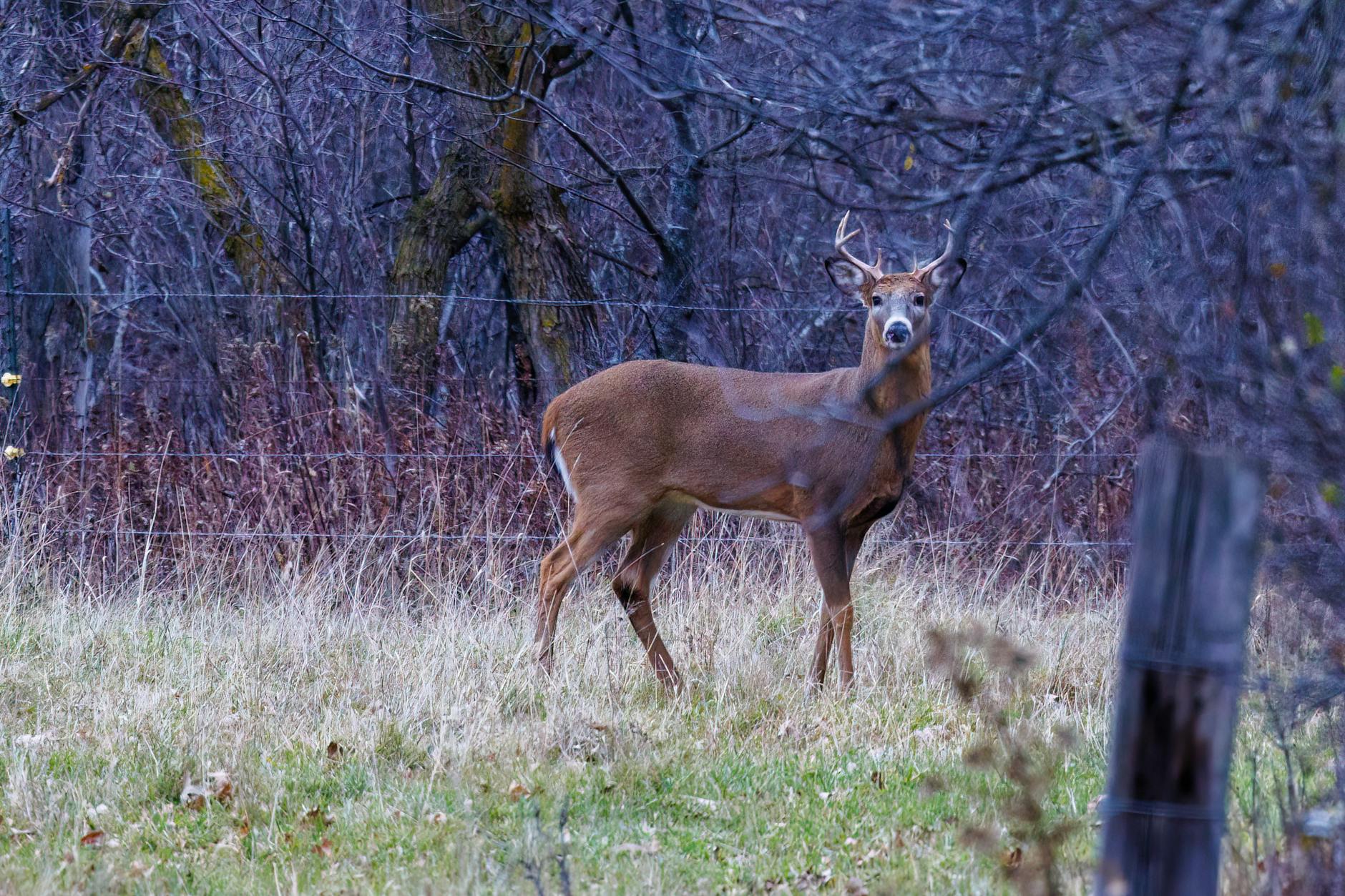
Every November, hunting forums fill with hunters asking whether the rut is “on” in their area — and every November, those same forums fill with contradictory answers. “It’s hot here.” “Nothing moving at my place.” “Moon phase pushed it back a week.” “Warm weather held it off.” Most of these explanations are wrong, and they cause hunters to make bad decisions about when to take time off and when to stay in the woods.
This article contains affiliate links. We may earn a small commission if you purchase through these links, at no extra cost to you.
Here’s what the science actually says about rut timing — and why it matters for planning your best hunting days.
Photoperiod Is the Driver
The research is settled on this point: deer rut timing is controlled by photoperiod — the ratio of daylight to darkness as fall progresses. As days shorten after the autumn equinox, melatonin secretion in deer increases, triggering the hypothalamus to begin the hormonal cascade that leads to breeding.
This mechanism is so consistent that wildlife biologists can predict peak breeding dates within a 3–5 day window, year over year, at a given latitude. The deer don’t know it’s November — they know the days are getting shorter at a specific rate, and their biology responds accordingly.
The practical implication: rut timing doesn’t shift year to year due to weather, temperature, acorn crop, hunting pressure, or any other environmental factor. It shifts by latitude because latitude determines how fast photoperiod changes in autumn.
Why the Temperature Theory Persists
Hunters observe that cold fronts often produce more deer movement during the rut, and they conclude that cold weather “triggers” or “pushes” the rut. The actual mechanism is different: cold weather makes deer more comfortable moving during daylight hours, so hunters see more deer activity on cold days — but the breeding itself is happening on the same biological schedule regardless of temperature.
A 70°F day in early November doesn’t delay the rut. It just keeps deer bedded during the hottest hours and concentrates movement into the cooler morning and evening windows. The does are still cycling on schedule. The bucks are still tracking them. They’re just doing more of it at 5 a.m. instead of 9 a.m.
Important
The Moon Phase Debate
The moon phase rut timing theory has enough proponents that it deserves a direct answer: multiple rigorous studies using GPS-collared deer have shown no statistically significant correlation between moon phase and peak breeding dates. Research from University of Georgia, Quality Deer Management Association, and independent telemetry studies consistently reaches the same conclusion.
What moon phase does affect is visibility and comfort for deer during nighttime movement — which can affect how many deer hunters see at dusk and dawn. But it doesn’t change when does cycle into estrus.
If moon phase rut timing matches your hunting success some years, it’s coincidence. The peak breeding window at your latitude is determined by photoperiod, and it repeats at the same time every year.
Latitude-Based Peak Breeding Dates
These are research-based average peak breeding dates by region:
Northern tier (Minnesota, Wisconsin, Upper Michigan, Maine): November 5–12 Mid-latitude (Iowa, Kansas, Missouri, Illinois, Indiana, Ohio): November 8–16 Upper South (Virginia, Tennessee, Kentucky, North Carolina): November 10–20 Deep South (Georgia, Alabama, Mississippi, South Carolina - varies enormously by county): October through February depending on subspecies and management history Texas Hill Country: Mid-November to late November South Texas: December into January Rocky Mountain whitetail: Mid-November to late November, similar to northern tier Mule deer (Rocky Mountains): Late November to mid-December
These windows shift slightly by specific location within each region — terrain, elevation, and local deer genetics all play a role. Use the Rut Forecast Calculator to dial in your specific hunting area.
The Different Phases and What They Mean for Hunters
Pre-rut (3-4 weeks before peak): Bucks are scraping and rubbing — establishing breeding signposts. Rattling antlers and grunt calls become valuable tools during this phase. Testosterone is rising. Scrapes appear along field edges and transition zones. Bucks are increasingly active but still largely nocturnal. Rattling and calling can produce results but not as reliably as later.
Seeking phase (1-2 weeks before peak): Bucks begin actively searching for the first receptive does. Trail cameras light up — bucks visiting scrapes frequently, sometimes in daylight. Mock scrapes become highly productive. This is when calling and rattling is at its most effective.
Chasing phase (5–7 days before peak): The most visually exciting phase. Bucks are running does aggressively, covering large amounts of ground in daylight. You’ll see bucks with heads down following doe tracks across open areas at 10 a.m. All-day sits pay off here more than any other phase.
Peak breeding (5–7 day window): Does are in estrus. Bucks are locked with individual does for 24–72 hours at a time. Daylight movement can paradoxically decrease as bucks stay stationary with does instead of roaming. Best hunting on pinch points and travel corridors where locked-on pairs move through.
Post-rut (2–3 weeks after peak): Exhausted bucks shift toward food sources to recover. A second rut pulse — younger does cycling for the first time — creates a brief activity bump approximately 28 days after peak. Worth hunting if you have late-season access.
How to Apply This in the Field
The most expensive mistake deer hunters make is hunting the rut phase after the best action has passed. Schedule your best hunting days around the chasing phase and early peak breeding. Hunt mornings and midday — don’t give up at 10 a.m. because you haven’t seen anything. Mature bucks during the chasing phase move midday as frequently as dawn.
Understand the biology, use tools like the Rut Forecast Calculator to time your hunt, and put in the full-day sits when the window is right. The hunters who consistently take mature bucks during the rut aren’t luckier than you — they’re hunting the right window, all day, with patience.
Next Step
Check Draw Odds for Your State
Tag-level draw odds across 9 western states — filter by species, unit, weapon, and points. Free to use.
Get the Insider Edge
Join hunters getting exclusive draw odds data, gear deals, and weekly hunt planning tips.
Related Articles

Elk Biology and Herd Behavior: What Every Hunter Needs to Know
Elk biology guide — herd structure, bull vs cow behavior through the year, antler cycle and growth, the rut explained biologically, sensory capabilities, and how understanding elk biology makes you a better hunter.

Elk Habitat: Understanding the Terrain That Holds Bulls
Elk habitat guide — how elk use alpine meadows, dark timber, aspen parks, and canyon systems through the seasons, what terrain holds bulls vs cows, and how to read an elk country map before your boots hit the ground.

Coues Deer Hunting: The Gray Ghost of the Desert Southwest
Coues deer hunting guide — what makes this desert whitetail subspecies unique, January rut timing, canyon glassing technique, unit selection in Arizona and Sonora, draw odds, and why Coues hunters call it the most addictive deer in North America.
No comments yet. Be the first to share your experience!