Reading Deer Rubs and Scrapes: What They Mean and How to Hunt Them
How to read deer rubs and scrapes — what they tell you about buck size, travel routes, and timing, and how to set stands near rub lines and primary scrapes to intercept mature bucks.
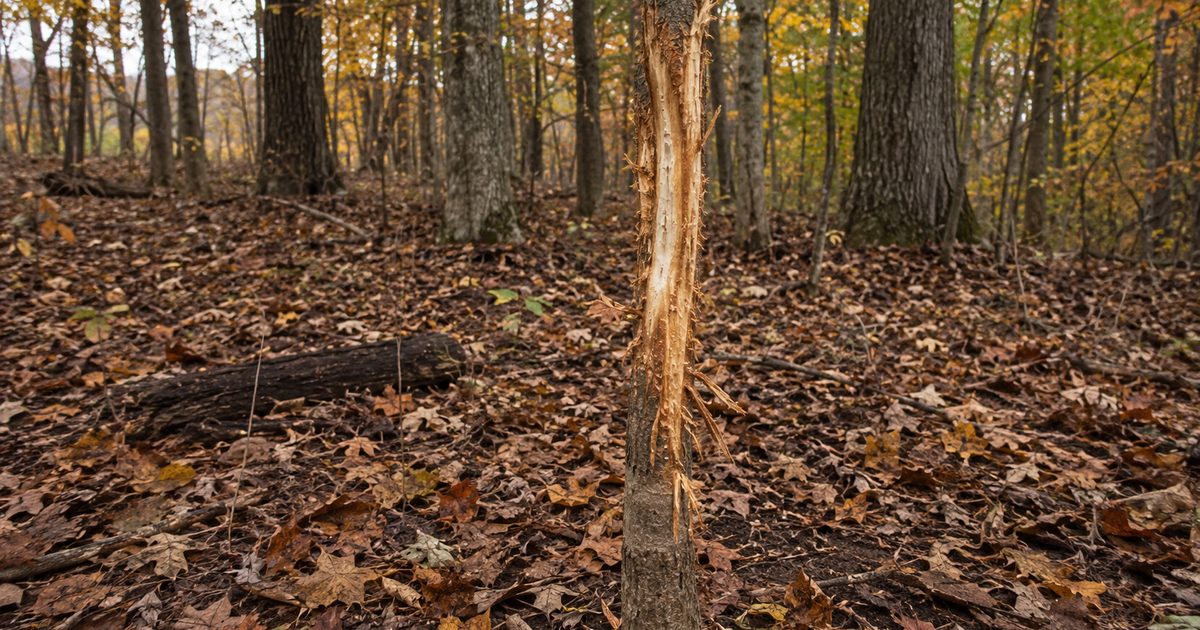
The first time I found a rub line that connected a bedding thicket to a destination food source, I thought I’d cracked a code. A string of freshly worked trees — white sapwood glowing in the October light — threading through a hardwood flat like a treasure map. I hung my stand on the downwind edge of that corridor, climbed in at 3:30 the next afternoon, and watched a heavy-beamed eight-point cruise through at twenty yards with forty minutes of legal light left.
That rub line didn’t lie. They rarely do, if you know how to read them.
Deer rubs and scrapes are the two most informative pieces of sign whitetail hunters encounter, and they’re also two of the most misread. Too many hunters see a chewed-up sapling and assume a giant is living in the woodlot. Too many others ignore the scraped-up dirt oval under a licking branch and walk right past the most productive stand site on the property. This guide breaks down what each piece of sign actually tells you — and more importantly, how to use it to put a tag on a mature buck.
What Deer Rubs Actually Are
A rub is the result of a buck working the bark off a tree or shrub with his antlers. Most hunters know that. What’s less understood is why bucks rub, because there are actually three separate reasons — and each one tells you something different.
In late August and early September, bucks rub velvet-covered trees to help shed their drying velvet as their antlers harden. These early rubs are messy, often on small saplings, and scattered randomly. They’re not sign worth hunting. They’re biology.
By October, the motivation shifts. Bucks rub to deposit scent from glands on their forehead, between their eyes, and along their preorbital area. Every rub becomes a communication post — a calling card that broadcasts the buck’s presence, his dominance status, and his individual scent signature to every deer that passes. This is territorial and social communication happening in real time across the landscape.
The third reason is physical. Bucks rub to build and condition the neck, shoulder, and chest muscles they’ll need for fighting when the rut arrives. A mature buck putting serious work into a six-inch-diameter cedar isn’t just marking territory. He’s training.
Understanding all three functions matters because it changes how you interpret the sign you find. A line of October rubs on trees with diameter from your thumb to your fist, spaced every forty to sixty yards through a travel corridor — that’s a buck building a scent communication network along a route he’s using regularly. That’s worth a treestand.
Reading Rub Size
Rub size as a proxy for buck size is one of the most debated topics in whitetail hunting, and the debate is legitimate. A yearling buck can work a two-inch sapling into a shredded mess. A mature buck can and does rub small saplings too, especially in areas with low deer density or when he’s working through a thicket.
That said, probability is on your side when you think about it this way: a big-bodied, heavy-antlered mature buck is far more likely to choose a larger tree. The physics of antler mass and neck muscle favor it. A buck with a twenty-inch inside spread and G2s pushing ten inches doesn’t get much satisfaction ripping apart a pencil-thin birch. He wants resistance.
Trees with a four-inch or greater diameter that show deep gouges, shredded bark, and repeated use — meaning the buck has come back to work the same tree more than once — are your best indicators of a mature deer. Find a cedar, pine, or hardwood with a trunk the diameter of your forearm worked down to raw wood, with the torn bark piled at the base, and you’re looking at a serious deer.
Rub height matters too. The average whitetail buck rubs at about chest to shoulder height, which on a yearling means eighteen to twenty-four inches. But when you find rubs at thirty, thirty-six, even forty-plus inches — where the base of the antlers and the brow tines are making contact — you’re likely looking at a tall-bodied, mature animal. Low rubs alone tell you bucks are present. Shoulder-high and above, on thick trees, with multiple work sessions showing? That’s the stand location you’ve been looking for.
Pro Tip
When you find a rub, look at the wood chips and bark debris at the base. Fresh rubs have white or cream-colored wood chips, slightly damp to the touch, with bark that hasn’t dried. A rub from last week will have grey or brown sapwood and dried, curling bark. Chase the fresh sign, and don’t waste hunting pressure on old sign from early October if you’re hunting late season.
Rub Lines vs Isolated Rubs
A single rub in the woods is a data point. A rub line is a pattern, and patterns are what you hang stands near.
A rub line is a series of rubs that follow a consistent directional corridor — often along a ridge edge, a creek drainage, a fence line, or through a transition zone between bedding cover and food. The rubs are spaced relatively evenly, typically pointing in the same general direction on the upwind side of the tree (bucks usually rub the side of the tree facing the direction they’re traveling). This gives you both direction and wind preference.
To identify a true rub line versus a cluster of random rubs, follow the corridor. If the rubs connect and maintain a logical travel route — one that would make sense for a deer moving from where it sleeps to where it eats or vice versa — you’ve found a travel corridor worth hunting. The key stand placement is not on the rub itself. Hang your stand sixty to eighty yards off the line on the downwind side, at a natural pinch point or terrain funnel the buck must pass through.
Isolated rubs scattered without a pattern are often rut-phase rubs — a buck burning nervous energy as testosterone surges, rubbing opportunistically. They’re worth noting on your scouting map, but they’re harder to convert into a stand location because they don’t indicate consistent travel.
Understanding Scrapes
If rubs are a buck’s diary, scrapes are his inbox. A scrape is a cleared oval of bare earth — typically eighteen inches to three feet across — where a buck has pawed away the leaf litter down to exposed soil, urinated (often while performing rub-urination, where urine runs over tarsal glands and into the scrape), and deposited scent. Does and other bucks check scrapes constantly during the pre-rut and rut phases. They’re social hubs.
But here’s the thing most hunters miss: the ground is only half the scrape. The overhanging branch directly above — called the licking branch — is arguably more important than the dirt below it.
The Licking Branch Is the Real Hotspot
Virtually every active scrape has an overhanging branch at roughly nose to face height for a standing deer, typically four to five feet off the ground. Bucks (and does) approach this branch and engage in a multi-gland deposit ritual. They lick and chew the branch, rub it with their forehead and preorbital glands, and sometimes hook it with their antlers. The cumulative scent deposit on an active licking branch is enormous — far more concentrated than what’s in the dirt below.
This is why trail cameras set on scrapes often capture more nose-and-forehead-to-branch interaction than actual scraping. And it’s why a scrape that’s been rained out — the dirt disturbed, the urine pool washed away — is still worth hunting if the licking branch is intact. The branch holds scent through weather. The dirt doesn’t.
When you locate a scrape you’re considering hunting, spend thirty seconds looking at the licking branch. Is it mangled, chewed, and broken back? Is there dark staining where glands have deposited oils over repeated visits? That’s an active scrape worth your time.
Warning
Don’t touch the licking branch. Don’t duck under it, brush it with your hat, or let your jacket sleeve drag across it. Human odor on the branch is a stand-killer. If you need to pass near an active scrape, give it a wide berth. The whole point of the branch is scent communication — contaminate it and you’ve broken the message.
Primary vs Secondary Scrapes
Not all scrapes are created equal, and burning hunting pressure on a secondary scrape is one of the most common mistakes whitetail hunters make.
A secondary scrape is one a buck made once — often during a nighttime excursion through unfamiliar ground, a moment of rut aggression, or exploratory travel. He pawed it out, deposited scent, and moved on. He may never return. Secondary scrapes are common along field edges and logging roads during the pre-rut, and they’ll fool you into thinking you’ve found a hotspot.
A primary scrape is one that gets hit repeatedly — multiple times per week, often multiple times per day near peak rut. Primary scrapes tend to appear in predictable locations: the inside corner of a field where two edges meet, a pinch point between bedding areas, a creek crossing where travel naturally funnels, or along a ridge edge with heavy doe traffic. They’re almost always associated with a well-used licking branch.
The clearest sign of a primary scrape is a beaten-down perimeter. Deer approach and leave from multiple directions. The bare dirt extends beyond the original oval. Deer tracks — sometimes from several different deer — surround it. And the licking branch looks like it’s had a hundred visitors.
If you want to run trail cameras to sort primary from secondary scrapes, give each one a week of camera time before committing to it. A scrape with forty-plus visits in seven days is primary. One with three visits, all at 2 AM, is secondary.
When Scrapes Are Most Active
Scrape activity peaks during the pre-rut, roughly October 25 through November 5 in most of the country (shift earlier in the South, later in the far North). This is the period when bucks are actively seeking but does have not yet come into estrus — so bucks are checking their communication networks obsessively, hoping to catch the first receptive doe.
Once the rut kicks into full chasing mode, scrape activity actually drops. Bucks stop checking their rubs and scrapes because they’re physically with does or nose-to-the-ground chasing them. This is the time to focus on doe family group travel corridors and funnels rather than scrape setups.
After the breeding phase — late November into early December — secondary rut scrape activity can pick back up as bucks settle back into patterns and attempt to breed any does that weren’t successfully bred during the first rut.
For a deeper look at how the rut phases affect deer movement and hunting strategy, see our guide to whitetail rut hunting tactics.
How to Hunt Scrapes Effectively
The cardinal rule of hunting a primary scrape: don’t hunt it every day. A mature buck is checking that scrape with his nose long before he arrives in person. If your human odor is embedded in the surrounding area from three sits this week, he will pattern you and go nocturnal.
Set your stand on the downwind side of the scrape at a distance that gives you a shot angle without being directly over the scrape. Forty to sixty yards is a common setup — far enough that your ground scent doesn’t contaminate the scrape approach corridor, close enough for a clean bow or rifle shot.
Hunt the stand on high-value days: cold fronts pushing through, dropping barometric pressure, days when overnight temperatures have pulled back toward freezing after a warm spell. Rut-phase scrape hunting is most productive in the last two hours of daylight and first hour of morning light.
Mock scrapes are worth adding to your setup. Find a licking branch in a location you want to hunt — an inside corner, a pinch point, a natural funnel near bedding — and create a scrape beneath it using a stick to paw out the dirt. Add tarsal gland scent or a commercial scrape scent, then back out and check cameras. If there’s deer traffic in the area, you’ll often have a real scrape within forty-eight hours.
Pro Tip
When hunting near a primary scrape during pre-rut, rattling and grunt sequences can be extremely effective. Bucks running communication networks are primed to investigate competition. A short sparring sequence followed by a contact grunt fifteen minutes later mimics two bucks checking the same scrape area — exactly what a resident mature buck wants to know about. See our full breakdown in the deer rattling and calling tactics guide.
Putting It All Together on a Property
The hunters who consistently tag mature bucks aren’t just finding sign — they’re mapping systems. They walk the property in early October with their phone’s mapping app open, dropping pins on every rub line, scrape cluster, and licking branch they find. Over two or three years, patterns emerge. The same ridge saddle gets a primary scrape every October. The same cedar row gets a new rub line each pre-rut. The inside corner of the back field has a licking branch that gets worked every year.
Those are the stand locations you trust with your best hunting days. Not every fresh rub you find on October 10th, but the spots where the property’s terrain and cover push deer together season after season.
Rub lines and scrape systems are most valuable when you read them in context. A rub line that runs toward a primary scrape cluster near a pinch point connecting two bedding areas — that’s your November 1st sit. That’s where the sign is telling you to be.
Frequently Asked Questions
Does rub size always indicate buck size?
Not always, but the correlation is real enough to be useful. Any buck can rub a small sapling. But large-diameter trees — four inches and up — worked aggressively with deep antler gouges are far more likely to be the work of a mature buck with significant antler mass and neck muscle. Use rub size as one data point among several, not as a guarantee.
Should I hunt right over a primary scrape?
Position yourself to the downwind side, not directly over it. Bucks typically approach scrapes from downwind to scent-check them before committing. If your stand is directly over the scrape, you’re in the approach lane. Get forty to sixty yards off the scrape on the downwind side to intercept the approach, not the destination.
How do I tell a fresh rub from an old one?
Fresh rubs have white or cream-colored sapwood that may still be slightly moist, with pale wood chips at the base and bark that hasn’t dried out or curled. Old rubs have grey or darkened wood, dried and shrunken bark, and the wood chips at the base will be brown or scattered. Hunt fresh sign and adjust your stands accordingly as the season progresses.
Why do some scrapes have a licking branch and some don’t?
Scrapes without an overhanging licking branch are almost always opportunistic secondary scrapes — a buck pawed the dirt out of aggression or impulse, but the location doesn’t have the branch structure that makes a lasting communication post. True primary scrapes almost universally form under a branch. If you find a bare dirt scrape with no branch overhead, note it but don’t plan a sit around it.
When is the best time to start hunting near rubs and scrapes?
Rub lines become productive as early as the first week of October once bucks shift from velvet-shedding rubs to territory-marking rubs. Scrape hunting peaks during the pre-rut window — roughly October 25 through November 5 in the northern half of the country. By the time active chasing begins (usually November 8–12 in most states), shift your focus away from scrapes and toward doe travel routes and terrain funnels.
Next Step
Check Draw Odds for Your State
Tag-level draw odds across 9 western states — filter by species, unit, weapon, and points. Free to use.
Get the Insider Edge
Join hunters getting exclusive draw odds data, gear deals, and weekly hunt planning tips.
Related Articles

Arizona Elk Calling: September Archery
September archery elk in Arizona means calling. Here's the practical guide to bugles, cow calls, and the timing that produces bulls.
Arizona Hound Hunting Regulations Guide
Arizona hound hunting for bear and lion requires specific permits and tags. Here's the complete regulatory guide for 2026.

Arizona Shed Hunting: Rules & Season Guide
Arizona has specific rules on shed antler collecting. Here's the complete guide to the season, the ethics, and the most productive areas.
No comments yet. Be the first to share your experience!