Deer and Elk Movement Patterns: What Makes Big Game Move
A deep dive into the factors that drive deer and elk daylight movement — weather, pressure, moon, season phase, and how to read sign that tells you animals are active now.
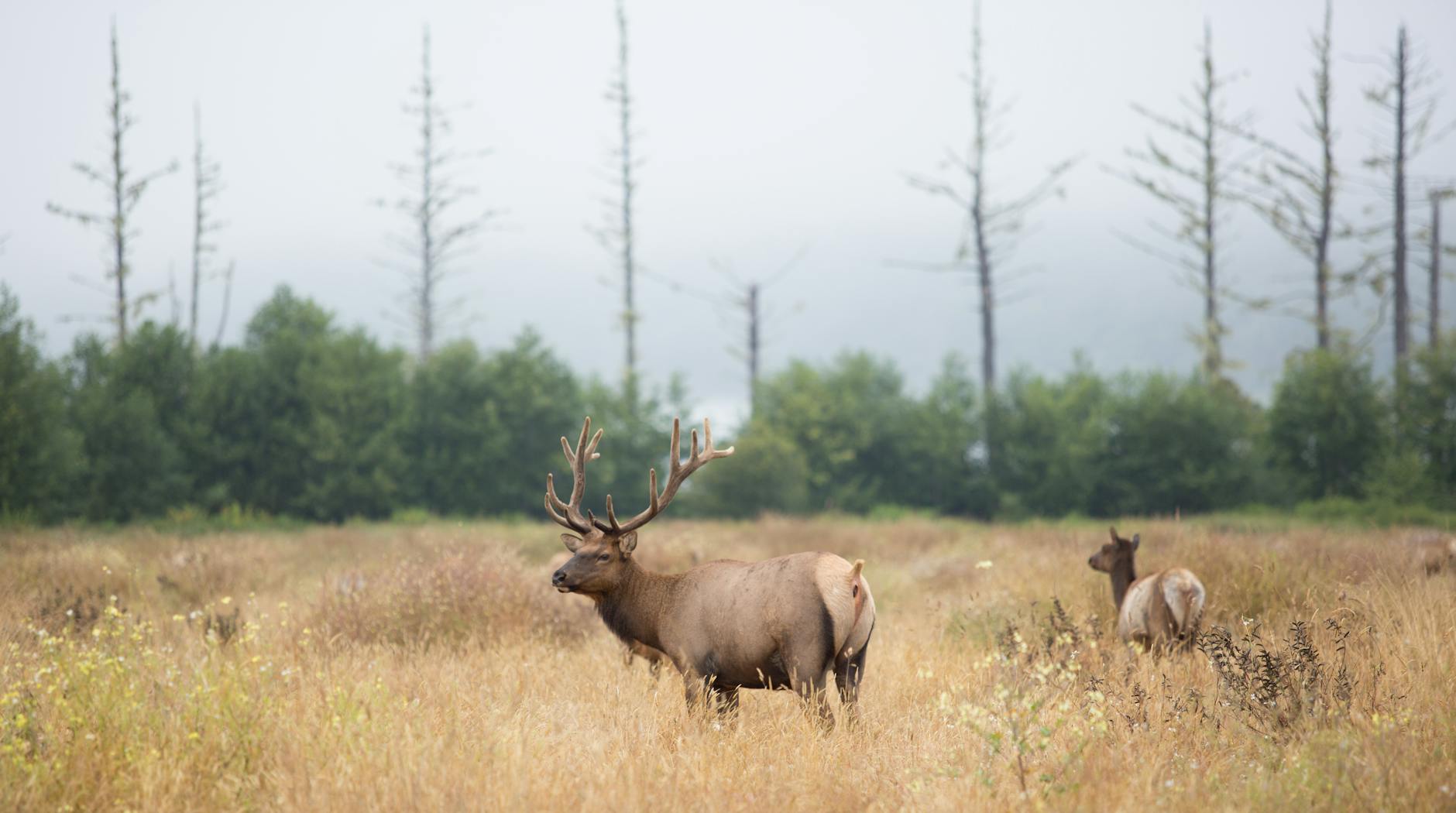
Understanding why deer and elk move when they do is more valuable than any call, scent, or decoy. Animals that aren’t moving can’t be killed. Animals that are moving can be — if you’re in the right place. The hunters who fill tags most consistently aren’t the ones with the best gear; they’re the ones who understand movement well enough to be in the woods on the right days, at the right times.
This article contains affiliate links. We may earn a small commission if you purchase through these links, at no extra cost to you.
Here’s what a decade of telemetry research and field observation tells us about what actually drives big game movement.
The Hierarchy of Movement Drivers
Not all movement factors are equal. Here’s how they stack in terms of predictive power:
Season phase (rut vs. non-rut): The strongest single predictor of mature buck daylight movement. During peak rut, mature bucks abandon their survival instincts and move at all hours. Outside the rut, mature bucks move primarily at night — this is the default condition for most of the season.
Barometric pressure trends: A quality weather meter helps you track barometric pressure trends in the field. A rising barometer after a front passage correlates strongly with increased feeding activity in deer and elk. Studies using GPS-collared animals show significantly higher movement on days with rising pressure versus stable or falling pressure. This effect is well-documented and worth planning around.
Temperature: Animals are most active in temperatures below their thermoregulatory comfort zone. For deer in most regions, that means temperatures below 45–50°F produce meaningfully better daylight movement. Sharp drops — a 20°F temperature decline in 24 hours — are particularly effective at triggering movement.
Wind: High winds suppress deer movement — particularly in open country where wind makes animals nervous and interferes with their scent detection. Days with sustained winds above 20 mph typically show lower deer activity. Light variable winds (under 10 mph) with consistent direction are ideal hunting conditions.
Precipitation: Light rain or snow often increases deer movement — animals feed through light precipitation. Heavy rain shuts movement down. Immediately after rain stops, activity often spikes as animals emerge to feed.
Important
Why Nocturnal Bucks Go Nocturnal
Mature bucks — 3.5 years and older — in hunted populations have learned that daytime movement costs them their lives. They don’t reason their way to this conclusion; animals that moved during the day got killed, and the ones that survived were the ones with naturally higher wariness and lower daytime activity. Over generations, hunting pressure selects for nocturnal behavior in mature bucks.
This is why the rut is so important: it’s the only period when the breeding drive overrides survival behavior strongly enough to produce consistent daylight movement in mature bucks. Outside of the rut, seeing a mature buck in daylight typically requires hunting in low-pressure areas or immediately after significant weather events.
Low-pressure hunting areas — private land that doesn’t receive much attention, wilderness units far from roads, or public land that requires significant access effort — hold deer that move more freely during daylight because they’ve experienced less hunting pressure. This is one reason hunters who access difficult terrain often see more mature deer than hunters on easy-access public land.
Elk Daylight Movement: Different Rules
Elk don’t follow the same nocturnal pressure response that deer do, particularly during their rut (September–October for most Rocky Mountain populations). Mature bulls move extensively during daylight throughout the rut, responding to cow calls and challenging competing bulls at all hours.
Outside the rut, elk still move more during daylight than deer do — they’re grazing animals that spend multiple hours feeding morning and evening regardless of hunting pressure. The key variables for elk are thermal currents (they prefer uphill thermals as the day warms and downhill as it cools), distance from water sources during warm weather, and proximity to preferred food sources (aspen stands, open parks, high-country grazing areas).
Elk movement quality for hunters also relates to vocal activity. Bulls bugling on their own initiative during early morning are responding to natural triggers — typically temperature and thermal conditions that make them comfortable moving. When elk go quiet, they’re often bedded in thermal pockets or have been pressured to quiet zones.
Reading Sign for Current Activity
Movement prediction tools like the Game Activity Predictor give you a forecast — but fresh sign tells you what’s actually happening right now. Learn to read these indicators:
Fresh tracks: Edges of track impressions in dry soil that are still sharply defined indicate tracks made within hours. Tracks with blown-in debris or softened edges are older.
Active scrapes: A trail camera placed over active scrapes provides time-stamped movement data that confirms which bucks are visiting and when. Dirt that’s been freshly pawed looks different from old scrapes — loose, moist soil versus compacted, dried dirt. Overhanging licking branches that look freshly worked (missing bark, rubbed down) indicate a buck visited recently.
Fresh rubs: White, wet wood at the base of a fresh rub indicates activity within 24–48 hours. Dried, weathered rubs are old sign.
Droppings: Glistening or moist droppings are fresh. Dried, dull pellets are days old. Location of droppings in relation to travel routes tells you where deer are spending time right now.
Combine real-time sign reading with the data from the Game Activity Predictor for the highest-confidence hunting decisions. The forecast tells you when animals are likely to move; the fresh sign tells you they’re actually here. When both align, stay in the stand.
Next Step
Check Draw Odds for Your State
Tag-level draw odds across 9 western states — filter by species, unit, weapon, and points. Free to use.
Get the Insider Edge
Join hunters getting exclusive draw odds data, gear deals, and weekly hunt planning tips.
Related Articles

Elk Biology and Herd Behavior: What Every Hunter Needs to Know
Elk biology guide — herd structure, bull vs cow behavior through the year, antler cycle and growth, the rut explained biologically, sensory capabilities, and how understanding elk biology makes you a better hunter.

Elk Habitat: Understanding the Terrain That Holds Bulls
Elk habitat guide — how elk use alpine meadows, dark timber, aspen parks, and canyon systems through the seasons, what terrain holds bulls vs cows, and how to read an elk country map before your boots hit the ground.

Coues Deer Hunting: The Gray Ghost of the Desert Southwest
Coues deer hunting guide — what makes this desert whitetail subspecies unique, January rut timing, canyon glassing technique, unit selection in Arizona and Sonora, draw odds, and why Coues hunters call it the most addictive deer in North America.
No comments yet. Be the first to share your experience!