California Deer Draw Odds: A-Zone OTC vs Premium Zone Tags
California deer draw odds guide — A-Zone OTC tags for blacktail, X-Zone premium draws, preference point accumulation, nonresident quotas, CDFW application process, and California's best deer hunting opportunities.
California runs one of the most misunderstood deer licensing systems in the West. Most hunters hear “California” and assume everything is buried behind a brutal draw with years of waiting. That’s only half true. The state splits its deer tags into two fundamentally different systems — over-the-counter A-Zone tags and limited-entry X-Zone draws — and knowing the difference changes your entire approach to hunting deer here. Use the ProHunt Draw Odds Engine to compare actual draw success rates before you commit to a zone strategy.
California’s Zone-Based Tag System
Unlike most western states that assign deer tags to individual units, California organizes hunting around lettered zones. There are roughly two dozen deer zones, and each zone either sells an OTC archery or general tag or allocates tags through a limited-entry draw. The zone boundaries don’t always follow obvious terrain logic, so it’s worth pulling up CDFW’s current zone map before you start planning.
The key distinction: A-Zone tags are available over the counter. X-Zone tags require an application and draw.
Important
California’s “A-Zone” covers a large swath of Central California including the Coast Range, Diablo Range, and parts of the Sierra Nevada foothills. It’s the most accessible deer hunting in the state for both residents and nonresidents.
A-Zone: Over-the-Counter Blacktail and Mule Deer
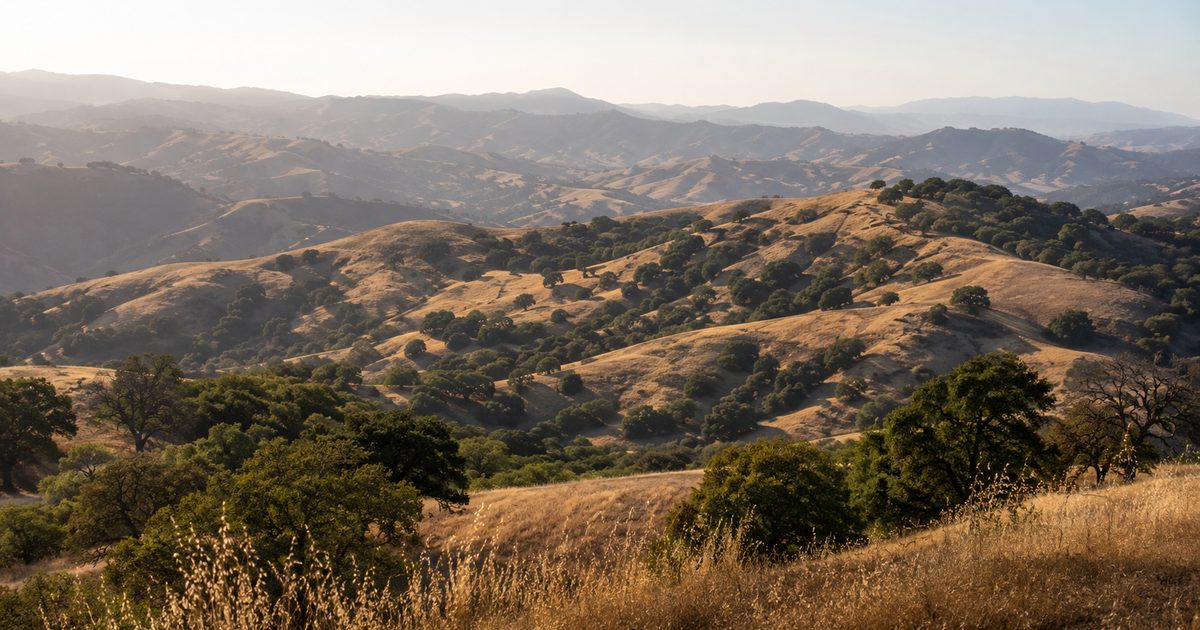
The A-Zone is California’s workhorse deer zone. It spans millions of acres across central and coastal California, covering terrain from coastal chaparral to oak woodland ridges. Tags sell OTC — no application, no draw, no waiting. You buy the tag, you go hunting.
Deer density in A-Zone is moderate. Blacktail deer dominate the coastal and foothill portions, while mule deer appear in the more arid eastern reaches of the zone. The average buck in A-Zone is not a trophy mule deer by western standards. Most hunters are looking at 2x3 to 3x3 bucks, with mature 4x4 bucks being the target.
A-Zone archery season typically opens in late July, making it one of the earliest deer seasons in the country. General rifle season runs into October. Both tags are sold OTC, and a single hunter can purchase both if they want to take two deer in the zone.
What to expect in A-Zone:
- Public land access through BLM and national forest parcels, plus significant private land requiring trespass fees
- Oak woodland hunting at 1,500–3,500 feet elevation
- Blacktail behavior is different from open-country mule deer — they use brush and timber heavily, calling and still hunting both produce
- Water sources are critical in dry years, especially late summer archery season
- Hunter pressure is real near roads and established trailheads
Pro Tip
A-Zone archery in August puts you hunting blacktail bucks still in velvet, with active feeding patterns before the rut. Water sources near thermal cover are your best starting point for glass and ambush setups.
X-Zones: Limited-Entry Premium Tags
X-Zones are California’s trophy deer draws. There are roughly a dozen X-Zone designations, each covering a specific geographic area managed for limited harvest. Tags are allocated by draw, and success rates vary widely by zone.
Some X-Zones are targeted specifically at trophy mule deer in the eastern Sierra, desert mountain ranges, and Great Basin transition zones. Others — like the Mendocino X-Zone — cover coastal blacktail habitat managed for higher deer density. Each zone has its own tag quota, season dates, and weapon designations.
Draw odds in X-Zones range from relatively accessible to effectively impossible without points. Lower-demand zones in northern California sometimes draw in 1–3 years. The most coveted eastern Sierra mule deer zones can require 10+ years of preference points. CDFW publishes historical draw data in their annual regulations, and it’s worth looking at the last 3–5 years to understand trend direction.
Warning
X-Zone tag quotas can change significantly from year to year based on habitat conditions and population surveys. A zone that historically drew at 4–5 points may tighten up considerably if tags are reduced. Always check the current year’s CDFW draw statistics, not just historical averages.
California’s Preference Point System
California uses a preference point system for deer draws. Each year you apply and don’t draw a tag, you accumulate one preference point. Points are zone-specific — they don’t transfer between zones. When you apply, your application goes into a pool organized by point tier. Applicants with the most points get first priority, followed by lower point tiers, with a random draw within each tier.
California also runs a bonus drawing component. After the preference point draw is complete, remaining tags go into a random drawing open to all applicants regardless of point total. This means zero-point applicants can occasionally draw premium X-Zone tags, though it’s uncommon for the most oversubscribed zones.
Key point accumulation facts:
- One point per year, one application per zone
- No rollover or transfer between zones
- If you draw a tag, you lose the points used
- Preference points are species-specific — deer points only apply to deer draws
Important
California deer preference points cost roughly $7–8 to purchase without applying for a tag. If you have no plans to hunt California this year but want to bank a point for future X-Zone applications, you can purchase a “point only” option through the CDFW portal.
Nonresident Application and Quotas
Nonresidents can apply for California deer tags, including X-Zone limited-entry draws. CDFW allocates a portion of X-Zone tags to nonresidents, typically 10–15% of the total tag quota depending on the zone. Nonresident quota allocation means you’re competing in a separate pool, which can work for or against you depending on the zone’s popularity.
Nonresident deer tags carry a significant cost premium compared to resident tags. Budget $300–500 for an X-Zone nonresident deer tag depending on weapon type. A-Zone OTC nonresident tags are more accessible, typically in the $150–200 range.
For out-of-state hunters considering California, the A-Zone offers the most immediate opportunity — see our nonresident hunting license guide for a full cost breakdown across western states. Nonresident X-Zone hunting is worth banking points toward if you have specific trophy mule deer goals and can plan a 5–7 year horizon.
The Application Process
California deer applications open in March and close in April. All applications are submitted through the CDFW Online License Sales portal. You’ll need a California Hunting License before you can apply — the license purchase and tag application happen through the same system.
Steps to apply:
- Purchase a California Hunting License (required for application)
- Log into CDFW Online License Sales
- Select deer tag application
- Choose your zone and weapon preference
- Pay the application fee
- Results are announced in early-to-mid summer
Unsuccessful applicants receive their preference point automatically. Tag draws are non-transferable.
Important
For most out-of-state hunters, the optimal California deer strategy is to hunt A-Zone OTC while banking X-Zone preference points annually. After 4–6 years, many mid-tier X-Zones become drawnable, giving you a legitimate shot at a quality California mule deer hunt.
Is California Deer Hunting Worth It?
A-Zone hunting is worth doing if you want accessible western deer hunting. The blacktail subspecies is genuinely different from anything in the intermountain West — brushy, elusive, and challenging. The zone is large enough that hunters willing to work away from roads find reasonable deer numbers.
X-Zone mule deer hunting represents some of the best mule deer opportunity in California. The eastern zones bordering Nevada produce trophy-class bucks, and the hunting pressure is dramatically lower than comparable units in Colorado, Utah, or Arizona because the draw keeps tag numbers controlled. If you’re weighing California against other states, the Point Burn Optimizer can help you decide when to cash points versus keep accumulating.
California’s application cost and complexity are real barriers. But if you’re already managing points in other western states like Wyoming, adding California to your portfolio costs relatively little per year and opens a viable trophy mule deer option within a 5–7 year window.
Frequently Asked Questions
Does California offer unlimited A-Zone deer tags?
Yes. A-Zone general deer tags are sold over the counter through CDFW with no quota limit. Both archery and rifle tags are available OTC. You don’t need to apply or wait — purchase online or at a license agent and you can hunt A-Zone deer.
How many years does it take to draw an X-Zone tag in California?
It depends heavily on the specific zone. Lower-demand X-Zones in northern California can draw in 1–4 years. Mid-tier zones in the Sierra Nevada typically require 4–8 years. The most competitive eastern Sierra mule deer zones have required 10–15 years of preference points historically, and some hunters have never drawn despite 20+ years of applications. Check CDFW’s published draw statistics for the specific zone you’re targeting.
Can nonresidents hunt deer in California?
Yes. Nonresidents can purchase A-Zone OTC deer tags and can apply for X-Zone limited-entry draws. Nonresident X-Zone applications compete in a separate quota pool, typically 10–15% of total tag allocation. Nonresident license and tag fees are substantially higher than resident fees, and nonresidents must comply with all California hunting regulations including tagging and reporting requirements.
Do California deer preference points expire?
California deer preference points do not expire as long as you maintain an active application in the system. If you stop applying for multiple consecutive years, check with CDFW to confirm your point status, as program rules can change. Points are zone-specific and do not transfer if you change target zones.
What is the best deer zone in California for a first-time nonresident?
For first-time nonresident hunters, A-Zone is the practical starting point — no draw required, accessible terrain, and a unique blacktail hunting experience. For hunters focused on mule deer and willing to invest in points, check our guide to the best states for mule deer hunting to see how California’s X-Zones compare to other western options. The X-Zones in the northern coast range (Mendocino) or select Sierra foothills zones offer better value than the most oversubscribed eastern Sierra tags.
Next Step
Check Draw Odds for Your State
Tag-level draw odds across 9 western states — filter by species, unit, weapon, and points. Free to use.
Get the Insider Edge
Join hunters getting exclusive draw odds data, gear deals, and weekly hunt planning tips.
Related Articles

Western State Draw Systems Explained
How all 9 western state hunting draw systems actually work — preference points, bonus points, and pure lotteries compared side by side with real odds data.

Arizona Bighorn Sheep Draw Odds Guide
Arizona bighorn is the definition of a lifetime tag. Here's the point math, unit breakdown, and why you apply every year regardless of your bonus point total.

Arizona Fall Turkey Draw Odds Guide
Arizona fall turkey is a low-point draw in the ponderosa country. Here's the unit breakdown, typical point requirements, and how to stack it with other Fall Draw applications.
No comments yet. Be the first to share your experience!