Best Hunting Calibers Compared: A Guide for Western Big Game
A data-driven comparison of the most popular hunting calibers for elk, mule deer, and western big game — recoil, trajectory, terminal performance, and real-world effectiveness.
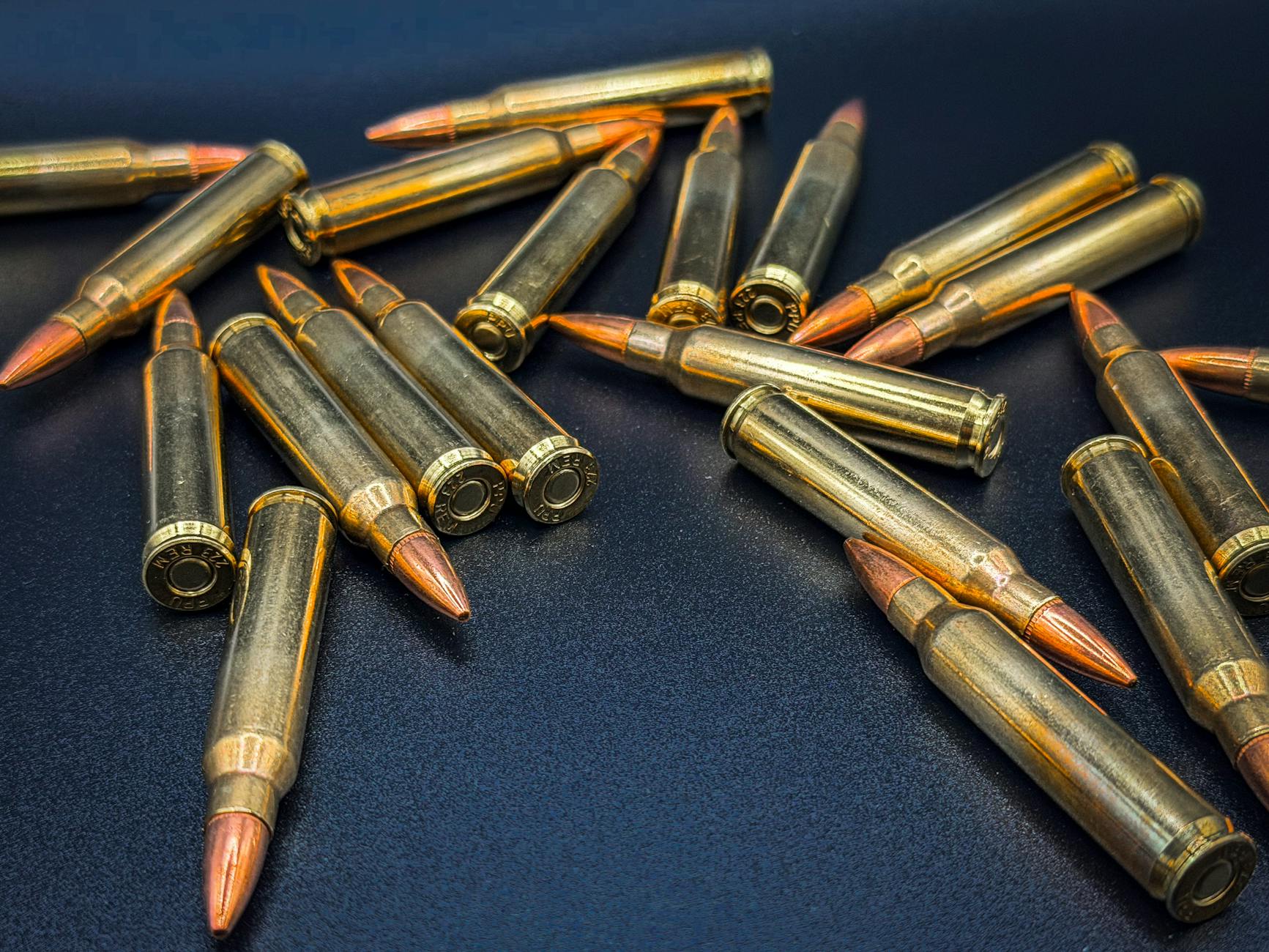
The caliber debate never really ends — and it doesn’t need to. What it needs is an honest framework. Every caliber is a tradeoff between power, recoil, trajectory, and ammo availability. The “best” hunting caliber is the one that matches your game, your hunting conditions, your recoil tolerance, and your shooting ability. But some calibers genuinely outperform others for specific applications — and knowing where each one lives helps you make the right call.
This article contains affiliate links. We may earn a small commission if you purchase through these links, at no extra cost to you.
This comparison covers the cartridges that dominate western big game hunting: .243 Win, 6.5 Creedmoor, .270 Win, .308 Win, .30-06 Springfield, 7mm Rem Mag, .300 Win Mag, and .338 Win Mag.
The Short-Range Timber Deer End: .243 Winchester
The .243 is a legitimate deer and antelope cartridge that’s underrated for what it does well — flat trajectory, minimal recoil, and superb accuracy in a lightweight rifle. For whitetail in timber, pronghorn on the plains, and mule deer at moderate ranges, a 90–100 grain .243 load kills cleanly.
Where it falls short: elk. A .243 is marginal on elk at any range. Energy retention drops below hunting minimums inside 300 yards on mature bulls, and bullet construction becomes critical. If you’re hunting elk even occasionally, start with a more powerful cartridge.
The Modern All-Around: 6.5 Creedmoor
The 6.5 Creedmoor’s rise from target cartridge to dominant hunting round over the past decade is justified. The 143-grain ELD-X and 140-grain ABLR produce some of the best real-world terminal performance data of any hunting bullet currently available. BC of 0.625 means flat trajectory, excellent wind resistance, and retained velocity at distance.
For deer, elk, and pronghorn at western hunting distances — 100 to 500 yards — the 6.5 Creedmoor is genuinely excellent. Recoil is mild enough that shooters develop good habits rather than developing flinch. Ammo is available everywhere.
The caveat: it’s not a 300-yard elk cartridge that you should push to 600. Use it within its energy envelope (1,500 ft-lbs at impact for elk), which the Firearms Comparison tool can calculate for your specific load.
Important
The Classic Standard: .270 Winchester and .30-06 Springfield
These two cartridges killed more North American big game in the 20th century than anything else. They’re not fashionable anymore, but they’re not wrong. The .270/130-grain combination is flat-shooting and hits hard on deer and elk to 400 yards. The .30-06/180-grain combination matches .300 Win Mag ballistics at moderate ranges and fits in a standard-length action.
Both are excellent choices for hunters who want proven performance, affordable ammo, and rifles in every weight class. The argument against them is primarily trajectory and BC compared to 6.5 or 7mm cartridges — at 500+ yards, they’re genuinely outclassed.
The Elk Standard: .300 Winchester Magnum
If you’re hunting elk regularly in open country, the .300 Win Mag is the benchmark everyone else competes against. A 200-grain Accubond at 2,900 fps produces enough energy at 500 yards to anchor any bull, and wind drift is meaningfully lower than .308 or .270 at the same distance.
The tradeoff is recoil — 25–27 ft-lbs in a standard-weight rifle — and rifle weight. You can put a .300 Win Mag in an 8-pound rifle, but it will be uncomfortable to shoot without a muzzle brake. Mountain rifles in .300 Win Mag need good muzzle brakes or recoil pads to develop proper shooting habits.
The Long-Range Specialist: 7mm Remington Magnum
The 7mm Rem Mag sits between the .270 and .300 Win Mag in power, with BC values that compete with the best 6.5 Creedmoor loads. A 168-grain 7mm Rem Mag load carries velocity and energy downrange better than almost any other hunting cartridge outside of large-caliber magnums. For open-country hunting where 400–600 yard shots are realistic, the 7mm Rem Mag is hard to beat.
Heavy Thumpers: .338 Winchester Magnum
The .338 Win Mag is for brown bear over bait, Alaska moose and caribou in marginal conditions, and hunters who want absolute stopping power regardless of angle. For lower 48 deer and elk hunting, it’s more cartridge than necessary — the recoil is significant, rifles tend to be heavy, and ammo is expensive.
If you’re going to Alaska or hunting potentially dangerous game where a follow-up shot needs to stop an animal charging toward you, the .338 is the right tool. For everything else, it’s overkill that comes with real costs.
Making the Decision
For most western big game hunters doing elk, deer, and pronghorn: 6.5 Creedmoor or .300 Win Mag covers the full range of applications. If you want one rifle that does everything from mule deer at 50 yards to bull elk at 450 yards, those two are the strongest choices in 2026.
Use the Firearms Comparison tool to run your specific candidates side by side and see how they stack up on the metrics that matter for your hunting — not just terminal performance, but weight, trigger quality, and total system cost.
Pick based on your real hunting conditions. Know your effective range. Shoot the caliber you can shoot accurately — a flinch-free .243 hits harder than a flinch-every-time .300 at 300 yards every time.
Plan Your Hunt
Ready to Apply? Check the Draw Odds
Once you have the gear sorted, use the Draw Odds Engine to find the right tag — free, no account needed.
Get the Insider Edge
Join hunters getting exclusive draw odds data, gear deals, and weekly hunt planning tips.
Related Articles

Rifle Zero and Field Ballistics: What Hunters Actually Need to Know
Hunting rifle ballistics guide — how to zero a hunting rifle for practical field distances, the 200-yard zero vs 100-yard zero debate, point-blank range concept, holdover at distance, and why most hunters are closer to game than they think.

Hunting Camouflage: What Actually Matters and What's Marketing
Hunting camouflage guide — how deer, elk, and turkey vision works, what camouflage actually needs to do, pattern selection by terrain and season, UV brightener issues, and why movement matters more than any pattern.

How to Use Hunting Binoculars: Glassing Technique and Field Habits
Hunting binocular technique guide — how to glass systematically rather than randomly, focus discipline, tripod adapter use for extended glassing, harness systems, and the field habits that separate hunters who find game from hunters who don't.
No comments yet. Be the first to share your experience!