Backcountry Pack Weight: Real Numbers & How to Cut It
Everything you need to know about backcountry hunting pack weight — how much is too much, the ultralight vs. traditional debate, and how to cut pounds without cutting safety.
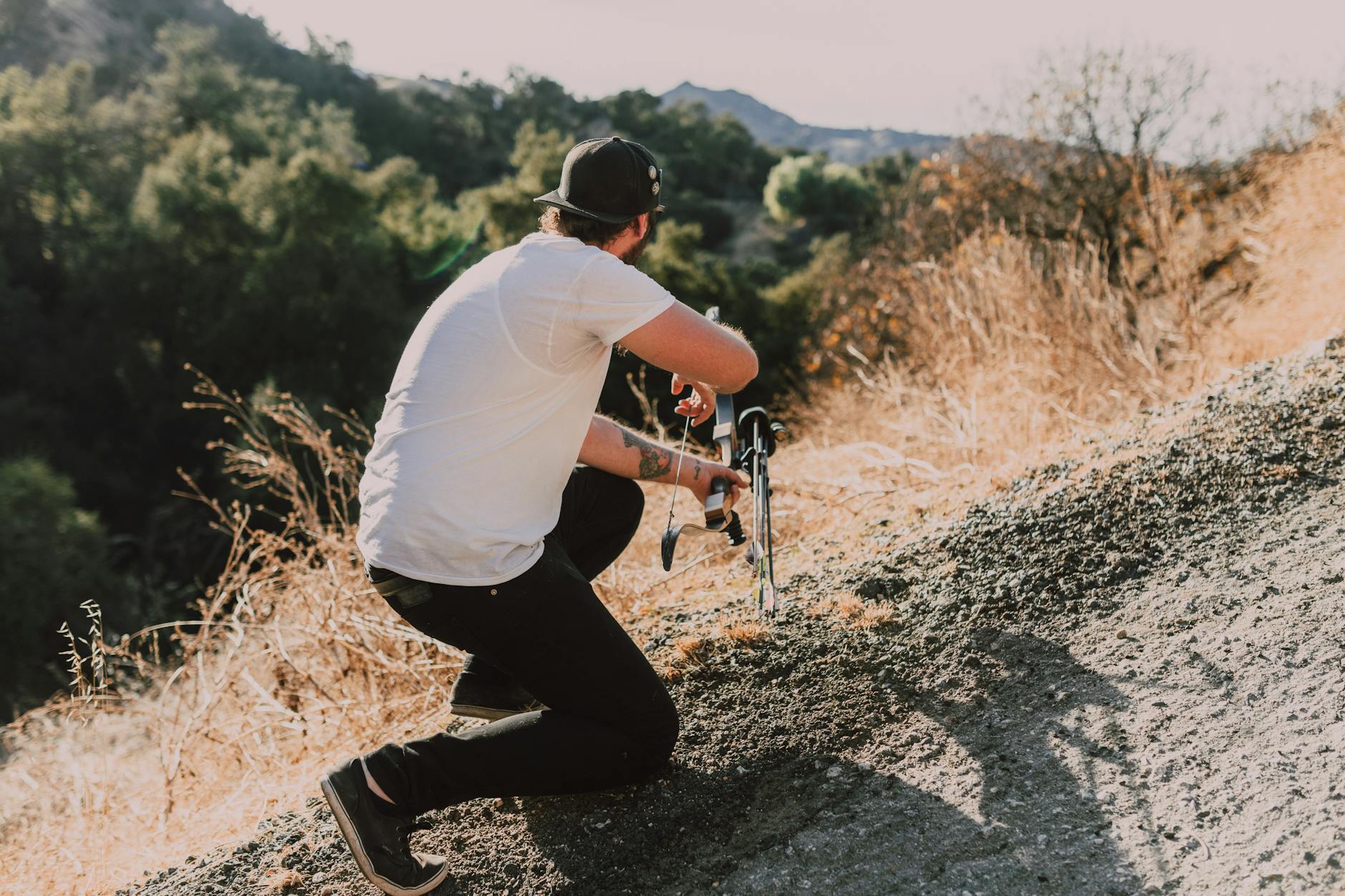
The debate between traditional and ultralight backcountry hunters gets loud online and accomplishes very little in the field. The real question isn’t which camp you’re in — it’s whether you can move efficiently enough to find animals, execute the hunt, and get the meat out safely. Pack weight is the single biggest variable that determines your daily mileage, your recovery, and your physical state at the moment you need to shoot well. For a full gear framework by category, see the backcountry elk hunt pack list.
This article contains affiliate links. We may earn a small commission if you purchase through these links, at no extra cost to you.
Here’s what the data says — and what experienced backcountry hunters have learned through hard miles.
The Numbers That Matter
Sports medicine research on military and rescue personnel — the best available analog to backcountry hunting — consistently identifies 30% of body weight as the threshold where injury risk climbs steeply for multi-day loads. For sustained backcountry travel over 3+ days with varied terrain and significant elevation gain, 20–25% of body weight is the practical sweet spot for most hunters.
For a 180-pound hunter, that’s 36–45 pounds. For a 160-pound hunter, 32–40 pounds. Those are your planning numbers — not targets to hit on the nose, but guardrails to avoid blowing past.
Where this gets complicated: those weights don’t include the meat. A hunter going in at 40 pounds (reasonable) who kills an elk must haul out 55–65 pound meat loads on top of camp gear. That’s the arithmetic that humbles backcountry hunters who didn’t plan for the full equation. Use the Tag-to-Trail Planner to map your pack-out route and distance before you commit — knowing you have a 7-mile carry changes your weight budget calculation significantly.
What a Dialed Base System Weighs
A functional, safe backcountry hunt base system — the gear you carry regardless of kill — can be assembled at different weight points:
Traditional (18–25 lbs base weight):
- Canvas wall tent or heavy base camp tent: 8–12 lbs
- Synthetic sleeping bag (20°F rated): 4–5 lbs
- Foam sleeping pad: 1.5–2 lbs
- Camp kitchen setup: 2–3 lbs
- This works for base camp hunts with stock; less ideal for mobile hunting
Standard backpacking hunter (12–16 lbs base weight):
- Quality 3-season backpacking tent (2–2.5 lbs): Marmot Tungsten, Big Agnes Copper Spur
- Down sleeping bag (20°F rated, 800-fill): 2-2.5 lbs
- Inflatable sleeping pad: 14-18 oz
- Titanium cookset: 8–12 oz
- This is the most common profile for competent backcountry hunters
Ultralight (7–10 lbs base weight):
- Cuben fiber or silnylon bivy/tarp system: 12–20 oz
- 900-fill down quilt (25°F): 16–22 oz
- Inflatable pad: 14 oz
- Titanium mug as only cookware: 3 oz
- This requires experience, good weather judgment, and some comfort tolerance
Important
The Ultralight Tradeoff Nobody Talks About
Ultralight systems save real weight. But they also reduce redundancy. A cuben fiber tarp provides no protection if winds exceed 40 mph. A 25°F quilt is dangerously inadequate in an early October snowstorm that drops to 15°F overnight. Western hunting environments are unpredictable — and the consequences of gear failure in true backcountry aren’t inconvenience, they’re hypothermia.
The better framework isn’t “how light can I go” but “how light can I go while maintaining acceptable safety margins for the specific conditions I’ll encounter.” An archery elk hunt in Colorado in mid-September has different weather risk than a rifle hunt in Idaho’s Frank Church Wilderness in November. Pack accordingly.
Hunt-Specific Weight That Adds Up
Most hunters calculate base weight but forget how much hunting-specific gear adds:
- Binoculars (quality glass weighs more): 1.5–2.5 lbs
- Spotting scope and tripod: 2.5–4 lbs
- Calls, cow elk call, grunt tube: 6–10 oz
- Meat bags (6 game bags): 1–1.5 lbs
- Rifle (with scope and sling): 7–9 lbs
- Ammunition (20 rounds): 1–1.5 lbs
A rifle hunter packing quality optics adds 12–15 lbs of hunt-specific weight on top of base. That’s not optional weight — it’s required for the hunt to function. Factor it in before you cut your sleep system to save half a pound.
Food and Water: The Math Hunters Get Wrong
Backcountry hunting in steep terrain burns 3,500–5,000 calories per day. Standard backpacking food recommendations (2,500 calories, 1.5 lbs/day) are built around hiking pace, not hunting pace — and certainly not the caloric demand of packing out an elk.
Practical hunting food weight: 1.8–2.2 lbs per day at 3,000–3,500 calories. For a 5-day hunt, that’s 9–11 pounds of food. Pack calorie-dense items — nuts, olive oil, freeze-dried full meals — and don’t try to cut food weight. Hunters who under-eat in the field lose strength, focus, and shooting stability.
The Pack Frame Is Not Optional
The single most underappreciated piece of hunting gear for backcountry applications is the pack frame itself. A properly fitted pack with a load-bearing hip belt transfers 60–70% of weight to your hips — the strongest part of your lower body. Without a good frame and fit, that weight stays on your shoulders and traps, and it wears you out three times faster.
Top hunting-specific packs for backcountry use: Mystery Ranch Metcalf, Stone Glacier Sky Solitude, Kifaru Timberline. These aren’t cheap — but they’re the difference between arriving in hunting shape and arriving wrecked. Use the Pack Weight Calculator to build your list and verify your load before season starts.
Know your numbers, plan your loads, and move efficiently in the mountains. That’s what puts you in range of animals — not the lightest possible gear or the heaviest possible comfort.
Plan Your Hunt
Ready to Apply? Check the Draw Odds
Once you have the gear sorted, use the Draw Odds Engine to find the right tag — free, no account needed.
Get the Insider Edge
Join hunters getting exclusive draw odds data, gear deals, and weekly hunt planning tips.
Related Articles

Rifle Zero and Field Ballistics: What Hunters Actually Need to Know
Hunting rifle ballistics guide — how to zero a hunting rifle for practical field distances, the 200-yard zero vs 100-yard zero debate, point-blank range concept, holdover at distance, and why most hunters are closer to game than they think.

Hunting Camouflage: What Actually Matters and What's Marketing
Hunting camouflage guide — how deer, elk, and turkey vision works, what camouflage actually needs to do, pattern selection by terrain and season, UV brightener issues, and why movement matters more than any pattern.

How to Use Hunting Binoculars: Glassing Technique and Field Habits
Hunting binocular technique guide — how to glass systematically rather than randomly, focus discipline, tripod adapter use for extended glassing, harness systems, and the field habits that separate hunters who find game from hunters who don't.
No comments yet. Be the first to share your experience!