Arizona Shed Hunting: Rules & Season Guide
Arizona has specific rules on shed antler collecting. Here's the complete guide to the season, the ethics, and the most productive areas.

Arizona shed antler hunting — the collection of naturally dropped elk, deer, and moose antlers — is a legal activity with specific rules. For hunters, shed collecting during the off-season offers scouting opportunities, trophy display material, and connection to the land during times when active hunting isn’t legal.
Here’s the practical guide.
Quick Facts: Arizona Shed Collecting
| Detail | Info |
|---|---|
| Legal status | Generally legal on public land |
| Closed season | May 1 – July 31 on specific wildlife-management-intensive areas |
| Open season | August 1 – April 30 statewide (with seasonal exceptions) |
| Quantity limits | None for personal collection |
| Commercial sale | Allowed with certain reporting requirements |
| License required | No specific shed license |
Disclaimer: Some Arizona areas (specific wildlife management areas, refuges) have closed-season or year-round restrictions on shed collecting. Always verify at azgfd.com before scouting.
The Closed Season
Arizona implements a May-through-July closed season on shed antler collecting in certain areas. The rule is designed to minimize human disturbance during:
- Late spring deer and elk migration patterns
- Fawn/calf drop periods
- Early-summer stress periods
Areas with closed-season restrictions:
- Certain Wildlife Management Areas
- Some National Wildlife Refuges
- Specific management zones designated annually
Open areas: Most National Forest, BLM, and State Trust Land remains open to shed collecting year-round. Check specific unit rules if uncertain. For a breakdown of the land types in your target area, the Arizona public land hunting map details the differences between NF, BLM, and State Trust access rules.
Where to Find Sheds
Elk Sheds
Mature bull elk drop antlers typically in March and early April. Arizona’s elk units produce sheds on:
- Winter range areas: Lower-elevation country where elk concentrate November through March.
- Travel corridors: Routes between winter and summer range.
- Bedding areas: Shade near feeding zones, often with cluster of sheds from multiple years.
Best units for elk sheds: 1, 5A, 5B, 6A, 23, 27, and other active elk range.
Mule Deer Sheds
Mule deer drop earlier than elk — typically January through early March. Find them on:
- Winter range slopes: Generally south-facing slopes at lower elevation.
- Oak mast zones: Where deer concentrate on acorn production.
- Sage flats: For desert mule deer in transitional zones.
Coues Deer Sheds
Smaller antlers, harder to find. Concentrate searches in oak-grass country during late winter and early spring (February-April).
The Ethics of Shed Collecting
Responsible practices:
- Avoid disturbing live wildlife while searching
- Leave sign (prints, scat) intact for hunting research
- Respect seasonal closures
- Stay on legal routes
- Don’t collect sheds from tribal lands without permission
Problematic practices:
- Using vehicles or aircraft to spot sheds
- Using dogs beyond what’s legal (Arizona allows dogs during open season)
- Disrupting wintering wildlife
- Crossing private boundaries
Don't Disturb Wintering Wildlife
The ethical shed hunter works during open season (August-April most areas) and avoids high-stress periods for deer and elk. Late-winter and early-spring shed hunts can displace wildlife that are at peak nutritional stress, with real mortality implications. If the season is open, proceed with care.
Legal Carrying and Transport
Sheds found legally can be:
- Kept for personal collection
- Sold (with reporting requirements for volume commercial activity)
- Transported across state lines (federal rules generally permit)
- Displayed as trophies
Commercial sale documentation: Arizona requires basic reporting for volume shed sales. Personal collection and casual sales are unrestricted.
Tools and Technique
Mapping: Winter range areas, bedding zones, and feeding corridors. Digital mapping (OnX) with historical range data helps — the hunting apps e-scouting guide covers how to build effective winter range layers for shed-focused scouting.
Physical prep: Shed hunting is walking-intensive. Good boots and endurance matter.
Eye training: Antler spotting is a learned skill. Experienced shed hunters identify tines protruding from grass, snow, or leaf cover at distance. The same systematic approach used in Arizona glassing setups — slow, grid-pattern optics work from elevation — translates directly to covering shed country efficiently.
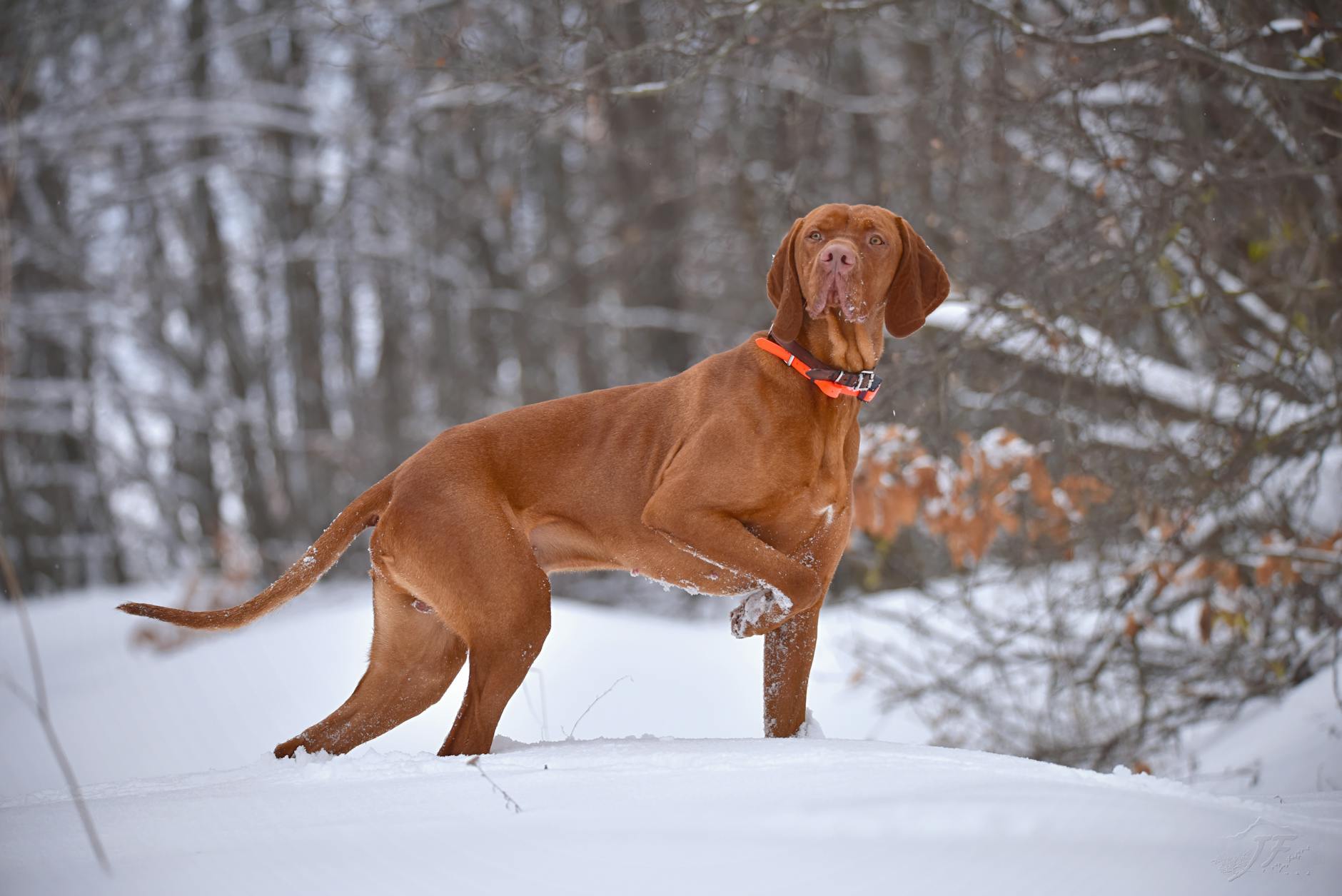
Dog assistance: Trained shed hunting dogs dramatically improve success. German shorthairs, Labs, and other hunting breeds adapt readily.
Timing Strategy
February-March: Early shed drops, lower bucks first.
March-April: Peak shed drop periods for most species.
April-May (where open): Late shed finds; some sheds missed in earlier passes.
Summer: Extended search of areas missed in primary drop seasons.
Shed Hunting as Scouting
For hunters, shed hunting doubles as scouting — and the units where you find the most sheds often have strong draw odds worth banking points toward. Check the Arizona draw odds for the elk and mule deer units you’re covering. Shed hunting doubles as scouting:
- Identifies winter range areas where bucks survive
- Confirms genetics (large antlers suggest productive population)
- Maps bedding and feeding patterns
- Establishes baseline for fall season expectations
Hunters who shed hunt their target units consistently outperform those who only scout during hunting season.
Value and Market
Arizona elk sheds typically sell $5-15 per pound for standard browns (dry antlers), $15-25+ per pound for whites (fresh drops).
Mule deer sheds run similar per-pound but smaller individual antlers mean lower total value.
Matched sets (both sides from same animal) command premium pricing.
Frequently Asked Questions
Are sheds protected? No. Naturally dropped antlers are legal to collect on public land in most Arizona areas.
Can I pick up antlers from a dead animal? If the animal died of natural causes, yes. Antlers/head parts from a poaching site can’t be collected.
What about skulls with antlers attached? Same rules as sheds, but head parts may require additional documentation for commercial sale.
How many can I take? No limit for personal use.
Can I use a drone for spotting? Generally prohibited during open season. Check current rules.
What if I find an unusually large shed? Photograph it for records. Consider scoring/registering if exceptional. Store properly to prevent damage.
Next Step
Check Draw Odds for Your State
Tag-level draw odds across 9 western states — filter by species, unit, weapon, and points. Free to use.
Get the Insider Edge
Join hunters getting exclusive draw odds data, gear deals, and weekly hunt planning tips.
Related Articles

Arizona Elk Calling: September Archery
September archery elk in Arizona means calling. Here's the practical guide to bugles, cow calls, and the timing that produces bulls.
Arizona Hound Hunting Regulations Guide
Arizona hound hunting for bear and lion requires specific permits and tags. Here's the complete regulatory guide for 2026.
Deer Stand Placement: Finding the Right Tree Every Time
Master deer stand placement with strategies for pinch points, funnels, rub lines, scrapes, entry/exit routes, wind thermals, and seasonal movement patterns.
No comments yet. Be the first to share your experience!