Arizona Predator Hunting: Coyote, Fox, Bobcat
Arizona predator hunting runs year-round with OTC access. Here's the complete guide to hunting coyote, fox, and bobcat in the Arizona desert and mountains.
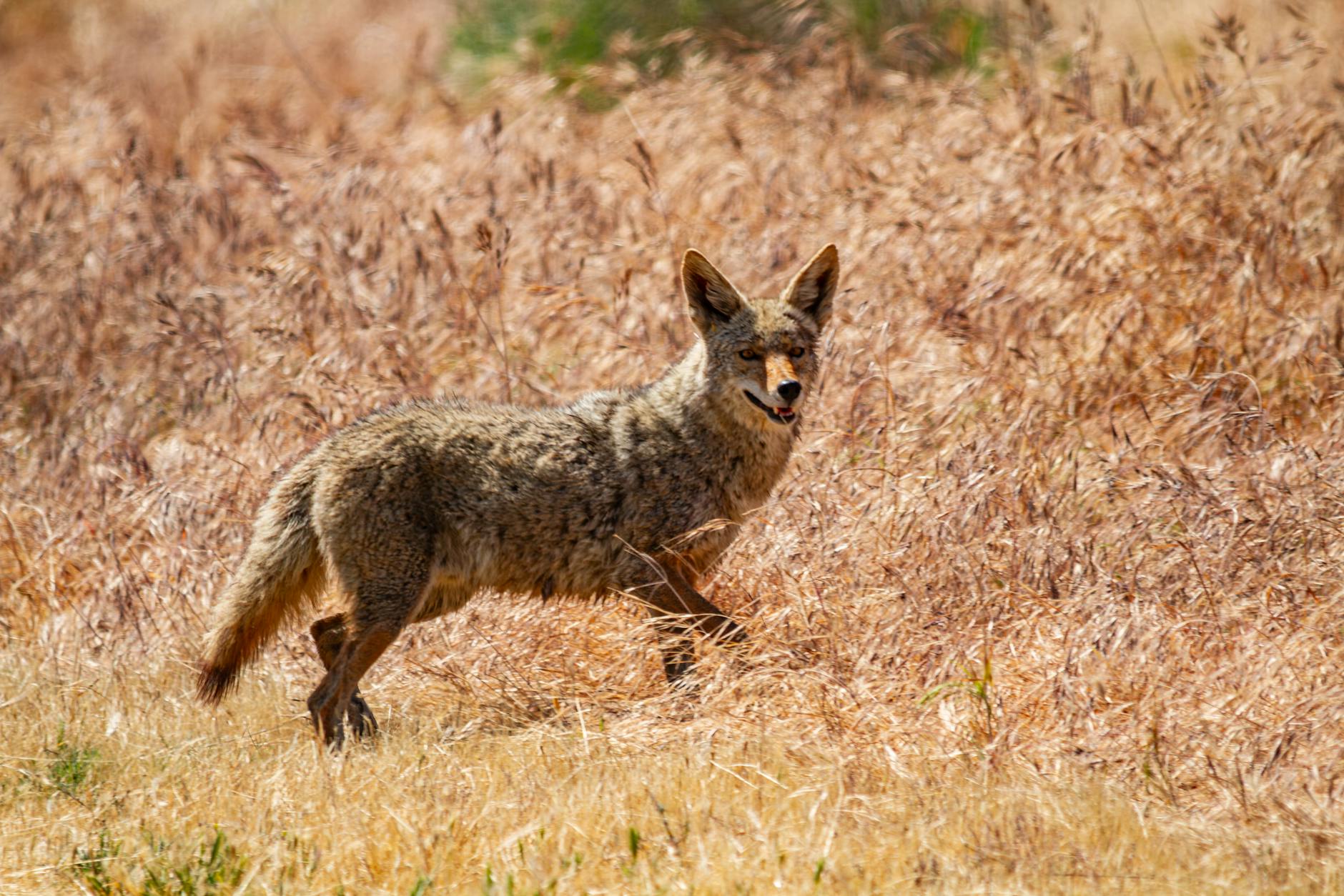
Arizona predator hunting is one of the state’s most accessible and year-round hunting opportunities. No draw, no limited season, no point tracking — coyote, fox, and bobcat can be pursued over-the-counter with a standard nonresident hunting license, and the population densities across the state’s varied habitats support productive hunts from desert bajadas to high-country ponderosa.
Here’s the practical predator hunting guide for Arizona.
Quick Facts: Arizona Predators
| Detail | Info |
|---|---|
| Tag Requirement | Arizona hunting license (NR ~$160) — no separate tag for coyote/fox |
| Bobcat | Requires separate bobcat tag (~$30) + mandatory check-in |
| Seasons | Year-round for coyote and fox; bobcat Nov-Feb |
| Method Options | Calling, spot-and-stalk, driving, hounding (bobcat) |
| Bag Limits | Coyote and fox: none statewide (check unit-specific); bobcat: varies |
| Legal Firearms | Centerfire rifle, shotgun, archery, muzzleloader |
Disclaimer: Bobcat regulations and tag limits change periodically. Always verify 2026 rules at azgfd.com before hunting.
Coyote Hunting
Coyote populations in Arizona are abundant. The state’s mix of desert, grassland, and forest habitats supports strong coyote numbers, and management approaches treat coyotes primarily as a hunter-accessible predator with minimal regulatory restrictions.
Best times: Late fall through early spring. Winter pelt quality is highest (November through February in most of the state). Breeding season (January-February) concentrates coyote activity and vocalizations.
Primary tactics: Distress calling — rabbit, fawn, or bird distress calls draw coyotes from up to half a mile away. Mouth calls, electronic calls, and motion decoys all work.
Setup: Position with the sun at your back, wind in your face, and good visibility across 200-500 yards. Coyotes typically circle downwind before committing; account for this in your setup.
Firearms: .223, .22-250, .243, and similar flat-shooting varmint cartridges are standard. Quality AR-15 platforms with predator-specific loads are popular.
Fox Hunting
Arizona holds three fox species — gray fox, kit fox, and red fox — with gray fox being the most commonly encountered. Fox populations overlap with coyote populations in most of the state.
Tactics: Similar to coyote calling but with smaller-prey distress sounds. Foxes are more cautious than coyotes and respond to calling at shorter ranges.
Timing: Same seasonal pattern as coyote — fall through early spring for best hunting and pelt quality.
Gear: Same rifle setups as coyote hunting; shot opportunities typically closer (under 150 yards).
Bobcat Hunting
Bobcats are the regulated species among the predator trio. Arizona requires a bobcat tag and mandatory harvest check-in within 10 days. Season is November through February in most units.
Methods: Hound hunting is the most productive method for bobcat harvest but requires licensed Arizona hound handler or nonresident hound permit. Spot-and-stalk in productive bobcat country (rimrock, brush thickets, rocky canyon country) occasionally produces. Calling works with patience.
Season timing: Winter pelt quality matters for bobcat trophies. November through December in northern Arizona; similar through February in southern units.
Check-in: All bobcats harvested in Arizona require registration with AGFD. This includes a physical inspection to pelt-tag the animal for legal fur trade.
Bobcat Pelt Rules
Arizona requires bobcat pelts to be officially tagged by AGFD before sale or transport out of state. The tagging process involves a physical inspection at an AGFD office. Don’t transport bobcat fur across state lines without the required tag.
Productive Areas
Coyote statewide — productive across almost every Arizona habitat type. Desert units see good numbers particularly around livestock operations.
Fox across elevations — productive in oak-grass country and brush thickets at mid-elevations.
Bobcat rimrock country — Units 22, 23, 32, and canyon country throughout southern Arizona hold the highest bobcat density.
Calling Tactics
Location: Set up with good visibility, wind in your face, and natural concealment.
Call sequence: Start soft and close (imitating nearby distressed prey), build intensity if no response in 3-5 minutes. Vary call types — rabbit distress, bird distress, pup distress all work at different times.
Sit duration: 15-25 minutes per stand. Predators often work slowly into calling; don’t give up too quickly.
Movement between stands: Most predator hunters work 4-8 stands per day, moving 1-3 miles between them.
Safety and Regulations
- Wear visible colors in areas with other hunting activity
- Know your target — some protected species (ocelot, jaguar) occur rarely in southern Arizona
- Carry appropriate documentation at all times
- Respect private land boundaries
Frequently Asked Questions
Is baiting legal? No. Baiting predators is illegal in Arizona.
What about lion hunting with predator gear? Lions require separate tags and different methods. Predator hunting for coyote/fox doesn’t cover lion.
Can I hunt at night? Yes, with specific permissions and equipment (artificial light). Check unit-specific rules.
What’s the best season for pelts? November through January for coyote and bobcat; similar for fox.
Do I need a harvest report? Bobcat yes (tagged and registered); coyote and fox have voluntary reporting.
Can I sell pelts? Yes, through Arizona-licensed fur dealers, subject to tagging requirements.
Next Step
Check Draw Odds for Your State
Tag-level draw odds across 9 western states — filter by species, unit, weapon, and points. Free to use.
Get the Insider Edge
Join hunters getting exclusive draw odds data, gear deals, and weekly hunt planning tips.
Related Articles

Arizona Dove Hunting: September Opener Guide
Arizona's dove hunting opener is the state's most celebrated hunting weekend. Here's the complete guide to where, when, and how to hunt mourning and white-winged doves.

Arizona Bighorn Sheep Hunting Complete Guide
Arizona holds both bighorn subspecies as huntable populations. Here's what the desert and Rocky Mountain bighorn hunts actually look like — and what to expect if you draw.

Arizona Buffalo Hunting: House Rock & Raymond
Arizona's bison hunts at House Rock and Raymond Ranch are unique — not wilderness hunts, but legitimate managed-herd bison harvests. Here's what the hunt actually is.
No comments yet. Be the first to share your experience!