Arizona DIY Nonresident Hunt Planning
Planning a DIY Arizona nonresident hunt is feasible but requires real logistics. Here's the complete budget and timeline framework.

This article contains affiliate links. We may earn a small commission if you purchase through these links, at no extra cost to you.
A DIY nonresident hunt in Arizona is entirely feasible for competent Western hunters. The public land is extensive, the logistics infrastructure is solid, and the hunting units range from backcountry wilderness to accessible road-based areas. But DIY Arizona — particularly for first-timers — requires real planning that many hunters underestimate.
Here’s the practical framework.
Quick Facts: DIY Arizona Budget
| Cost Category | Typical Range (NR, 7-day hunt) |
|---|---|
| Hunting license | ~$160 annually |
| Tag (deer/elk) | $350-700 depending on species |
| Application fees | $15-35 per species |
| Fuel | $300-600 (depends on distance, rig) |
| Food | $150-250 |
| Lodging (mixed camp + hotel) | $300-700 |
| Gear reserves | Variable |
| Typical DIY total | $1,800-3,500 per hunt |
The Timeline
12+ Months Out
License purchase: Buy your Arizona nonresident hunting license.
Application: Submit for deer/elk (February deadline) or fall species (June deadline).
Research units: Use the Draw Odds Engine and Hunt Unit Finder to identify candidate units matching your point total.
6 Months Out
Draw results: Check results. If drawn, commence detailed planning. If not drawn, review point-only purchases for next year — use the Preference Point Tracker to stay current across all your states and species. Consider leftover tags.
Gear audit: Review kit for Arizona-specific requirements (desert heat, altitude, rough terrain).
Physical conditioning: Begin conditioning program matched to hunt demands.
Logistics scouting: Book flights/hotels. Reserve rental vehicles (4WD trucks run short in peak seasons).
3 Months Out
Detailed scouting: OnX mapping, Smart Zones research, water source identification.
Processor reservations: For bison, deer, elk hunts — line up processors in Arizona or home state.
Tag verification: Confirm tag is on your license and application record.
Gear final check: Any broken-in boots, function-checked rifles, tested calls.
4 Weeks Out
Final scouting trip: If feasible, visit hunt unit for pre-season reconnaissance. Run game cameras. Verify current-year conditions.
Travel confirmations: Flights, rental cars, hotels.
Emergency contacts: Share hunt plan with spouse/family, include emergency protocols.
1 Week Out
Gear packing: Complete gear checklist. Review weapon function.
Travel day planning: Arrive at least one day early for gear shakedown and final local scouting.
Budget Breakdown
Fixed Costs
Arizona nonresident hunting license: ~$160/year.
Tag fees (on draw):
- Deer: ~$315
- Elk: ~$665
- Antelope: ~$115
- Javelina: ~$60
- Bear: ~$225
- Bighorn: ~$1,800
- Bison: ~$1,100
Application fees: ~$15-35 per species.
Variable Costs
Travel (fuel, flights, rental): $400-1,500 depending on distance and mode.
Lodging: $30-200/night depending on mix of camping vs. motel.
Food: $20-40/day.
Incidentals: Maps, permits (State Trust), miscellaneous gear replacement.
Optional Outfitter Costs
DIY doesn’t require outfitter use, but some services can accelerate success:
Pre-hunt scout consultation: $200-500 for half-day with a local guide.
Processing (for harvested animals): $200-800 depending on species and processor. Once your tag arrives, the Tag-to-Trail Planner helps finalize access routes, camp spots, and meat-hauling logistics before you leave home.
Taxidermy: $500-3,000+ depending on mount style.
Gear Essentials for Arizona DIY
Vehicle: 4WD truck or capable SUV. Rental availability is limited; book early.
Firearm: Appropriate for species. Sight-in before travel.
Optics: See glassing setup guide.
Clothing: Layered system for desert-to-mountain elevation range.
Footwear: Mid-weight boots broken in months before.
Pack: 3000-5000 cu-in hunting pack suitable for day hunts and meat hauling.
Emergency gear: First aid kit, communication device (satellite messenger recommended), basic survival kit.
Navigation: GPS device or phone with offline mapping. Paper maps as backup.
Rental Vehicles Run Short
Arizona’s 4WD truck rental inventory is limited and books out months in advance for peak hunting seasons. If you’re flying in, reserve vehicle 4+ months before hunt dates. Alamo, Enterprise, Turo, and local Arizona outfitter rentals are your options. Some hunters drive cross-country for remote Arizona hunts to ensure vehicle capability.
First-Time Arizona Hunters: The Big Three Mistakes
1. Underestimating heat. Even September hunts involve genuine heat. Hydration planning, clothing choices, and pace matter.
2. Overconfidence in navigation. Arizona public land patches complexly with private. Know your position always.
3. Inadequate scouting. Arizona rewards hunters who invest in pre-season scouting. A 3-day scout trip in July or August dramatically improves a September-October hunt.
Processing and Meat Handling
Field dressing: Immediate after kill. Ice or evaporative cooling critical.
Quartering: Within 4-6 hours of kill for meat preservation.
Processor arrangements: Local processors in hunt region, home processing with packed/frozen transport, or DIY processing.
Transport: Plan for cooler space. Additional ice for long drives.
Skill Building for Arizona
Before your first Arizona hunt:
- Practice extended glassing sessions (3-4 hours behind a tripod)
- Shoot at various angles in rough terrain
- Condition for heat and altitude
- Study your specific unit’s biology and access
Reference resources:
- AGFD Hunt Booklet (primary reference)
- OnX Hunt mapping / GAIA GPS (mapping)
- AGFD biologist consultations (free for applicants in some cases)
- ProHunt Smart Zones (unit-specific data)
The Realistic Success Probability
First-time Arizona DIY hunters on good tags: 35-55% success rate, varying by species and unit. Repeat Arizona hunters: 50-75%.
First-time Arizona DIY hunters on premium tags (Unit 27 elk, Unit 10 pronghorn): Similar success to above, though individual preparation matters more.
The gap vs. outfitter success: Generally 15-25 percentage points lower DIY vs. guided. Closes with experience.
Is DIY Worth It?
For hunters comfortable with Western hunting, DIY Arizona is highly recommended. The experience of hunting independently, managing logistics, and earning success on your own terms is part of the value.
For hunters new to the West or specific units, outfitter support for a first hunt followed by DIY on subsequent trips is a reasonable path.
Related Arizona Articles
Frequently Asked Questions
Best time to start planning? 12+ months before the hunt. Applications close early.
Can I tent camp for the whole hunt? Yes, on NF and BLM dispersed camping. State Trust prohibits camping.
What about Indian reservation hunts? White Mountain and San Carlos Apache offer commercial access but differently structured than AGFD draws.
Shipping meat home? Possible via processors with packaged/frozen shipping services. Budget $200-500 for significant shipments.
Is one week enough time? For most Arizona hunts, yes. For premium units or learning a new unit, 10-14 days is safer.
Should I hunt solo? Feasible but not ideal. Partners improve safety, logistics, and enjoyment.
Sources & verification
Seasons, license fees, application windows, and draw structure for Arizona change every year. Always verify the current details against the official Arizona agency before applying or hunting.
- Arizona Game & Fish Department — azgfd.com
Next Step
Check Draw Odds for Your State
Tag-level draw odds across 9 western states — filter by species, unit, weapon, and points. Free to use.
Get the Insider Edge
Join hunters getting exclusive draw odds data, gear deals, and weekly hunt planning tips.
Related Articles
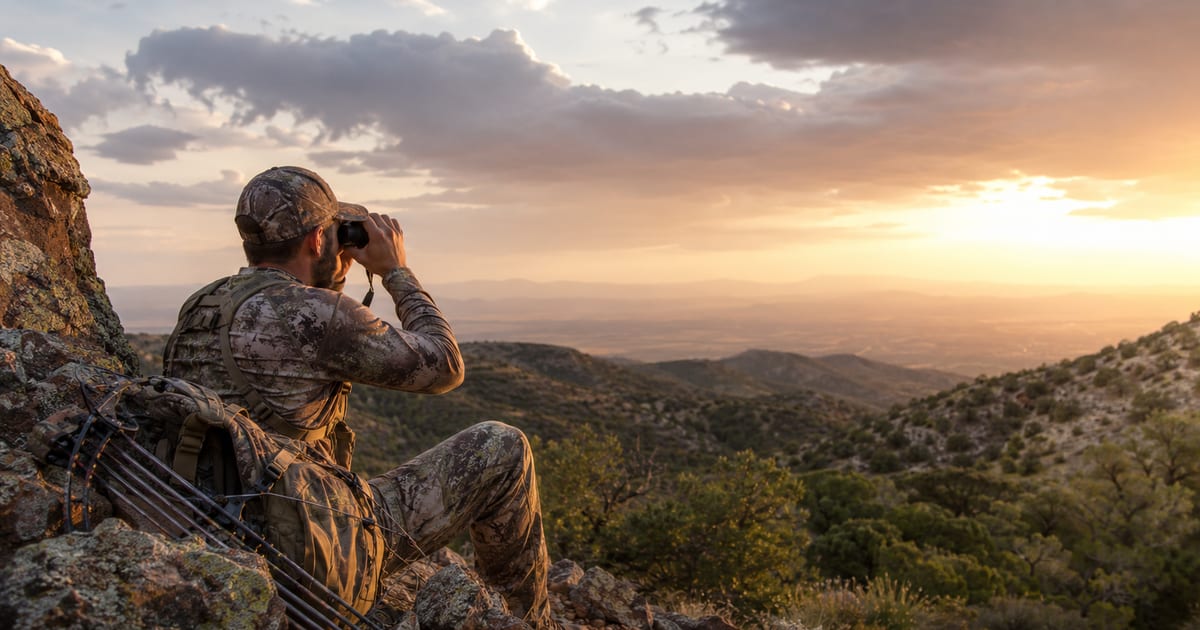
Arizona OTC Archery Deer 2026: Unit Limits and Closures
Arizona's OTC archery deer season opens August 21, 2026 — and units close the moment harvest limits fill. Here's every unit's limit, plus the best bets by real archery success rates.
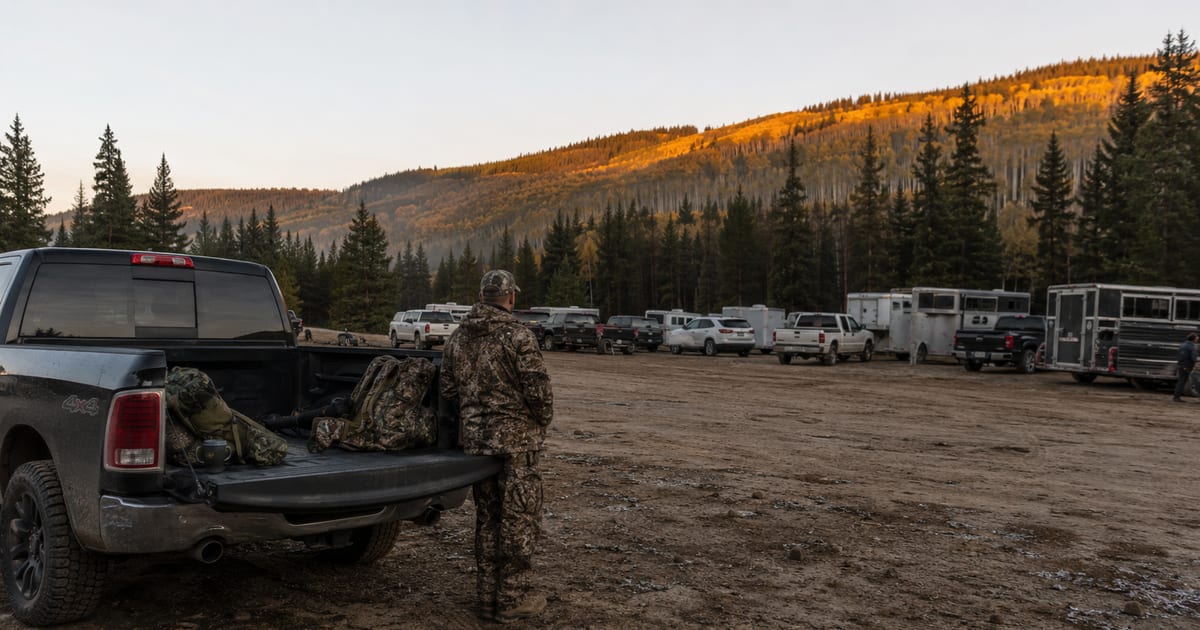
Colorado OTC Elk in 2026: What Changed for Nonresidents
Colorado eliminated unlimited nonresident OTC archery elk west of I-25 for 2026 — and Gunnison rifle tags went draw-only. Here's exactly what's still on the shelf and how to hunt this fall anyway.
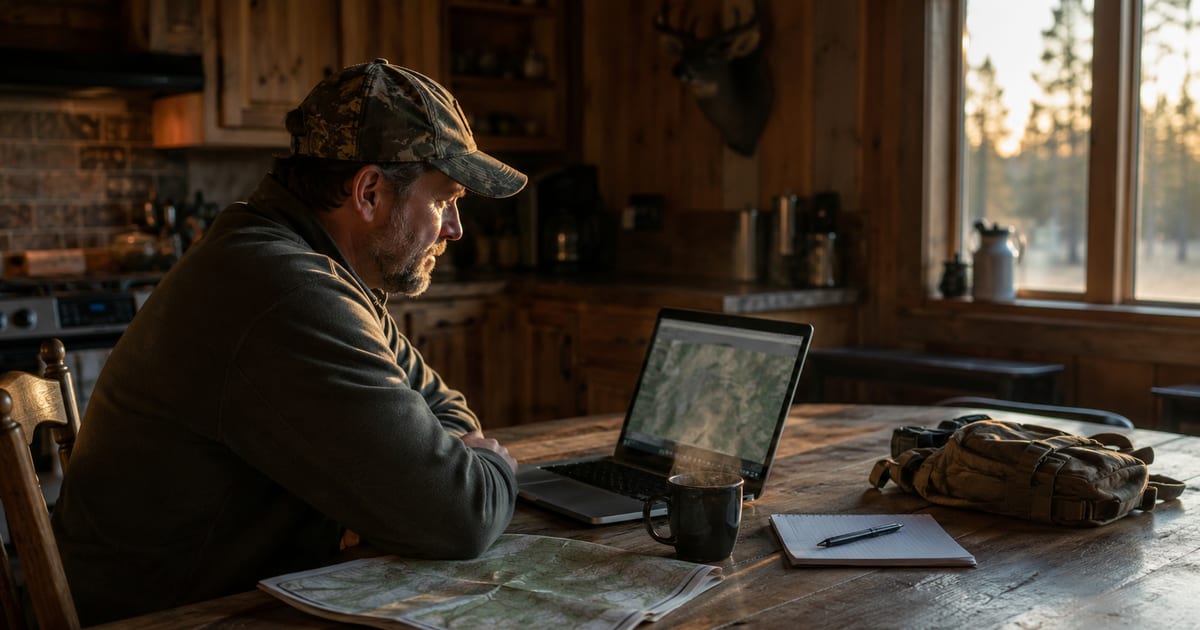
Colorado Reissue Licenses: How to Grab Returned Elk Tags
Every Wednesday through fall, CPW sells back surrendered limited licenses — including elk tags nonresidents can't get any other way in 2026. Here's the Tuesday-Wednesday ritual that actually lands one.
No comments yet. Be the first to share your experience!